A chronic insomniac who spent years reliant on Valium has described how a free NHS sleep clinic transformed his sleep. The five-week course, run by psychotherapist Catherine Ouriach at the Royal London Hospital for Integrated Medicine, used cognitive behavioural therapy for insomnia (CBT-i), helping him move from two to three broken hours a night to between seven and nine hours.
The writer, Cieran Brown, first developed sleep problems in 2015 after the unexpected death of his mother, when he was given Valium. Eight years later, addicted to the medication, he sought help and quit, but the side effects led to severe anxiety, night tremors and chronic insomnia. Most nights he managed just two to three broken hours, spending his days in a daydream, unable to follow conversations or absorb written information, and cancelling work and social plans.
NHS clinic and CBT-i techniques
After consulting his GP, he was referred to the NHS insomnia clinic. The course used CBT-i, described by Catherine as 'evidence-based habits that strengthen the body's natural drive for sleep and challenge unhelpful thoughts and beliefs.' He was given a personalised bedtime of 11pm and a risetime of 7.30am, with no weekend lie-ins allowed.

Over five weeks, he learned about healthy sleep routines, including how TV and phones affect circadian rhythms and how caffeine, nicotine and alcohol impact rest. He was taught progressive muscle relaxation (PMR), guided visualisation and reframing strategies, and was encouraged to avoid napping and limit the bedroom to sleeping only.
Struggles and breakthroughs
By week three, he was struggling more than ever, particularly with the 15-minute rule, which required getting out of bed if still awake after 15 minutes. However, by the end of the course, he found himself falling asleep easier, staying asleep longer and feeling more energised during the day.
Catherine used the analogy of holding a dove in an open hand: 'The more you try to keep hold of it, the more likely it is to fly away.' He learned about constructive worry, allowing himself to worry for 20-30 minutes before bedtime but drawing a line once in bed, repeating 'I've tried my best, now put it to bed.'
Lasting recovery
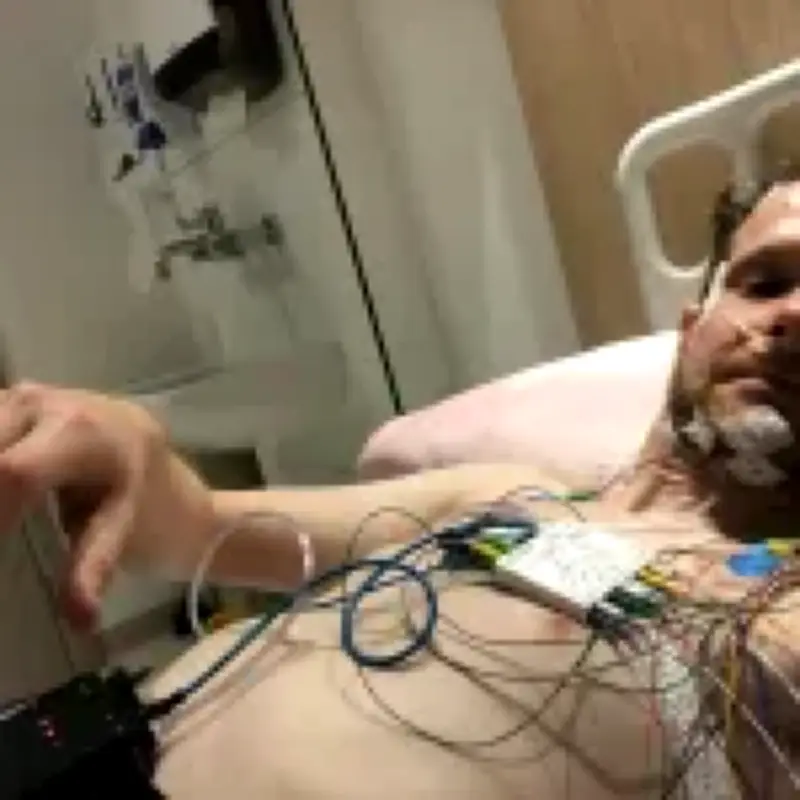
After the course, a sleep study at a hospital found nothing remarkable about his sleep, which reassured him. He continued the CBT-i techniques at home, gradually improving to between seven and nine hours a night. His energy levels rebounded and his mood stabilised. He now prioritises sleep above all else, and when caring for his terminally ill father caused his sleep to suffer, he used the tools from the clinic to avoid slipping back into chronic insomnia.