Households are being urged to check their food cupboards before the end of October for lesser-known signs that pests are moving in. As temperatures fall and autumn sets in, pests are seeking shelter, and properties start to appear increasingly attractive to them.
Lesser-known indicators of infestation
While nearly everyone recognises the unpleasant scratching noises emanating from walls and ceilings that signal a rodent infestation, there are additional signs to watch out for. Saga Home Insurance has collaborated with pest control specialist Sophie Thorogood, the technical training manager and field biologist at pest control firm Pelsis, to highlight the less obvious warning signs of an autumn infestation.
She said: "Rats and mice are also present year-round, with higher breeding activity usually occurring during summer. However, they are more likely to enter buildings during autumn and winter in search of warmth, shelter, and food."
What to inspect in your cupboards
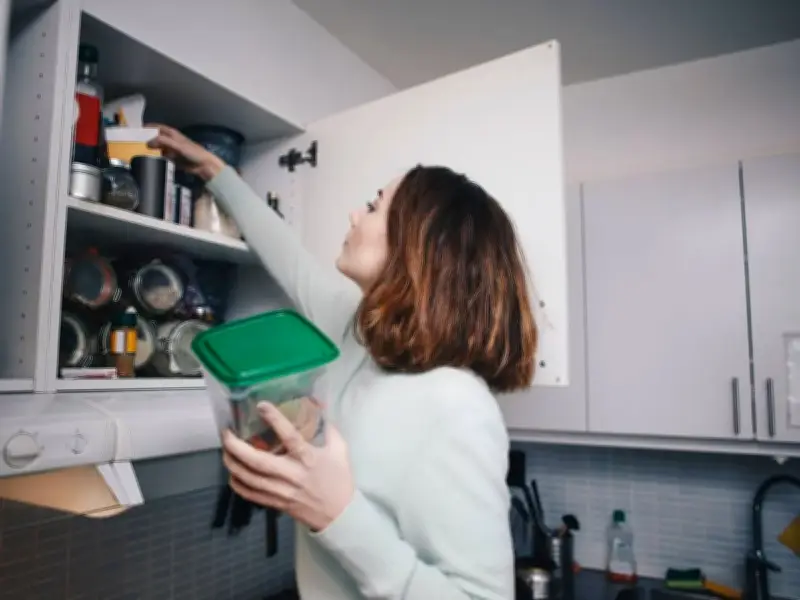
One indicator that can easily go unnoticed is compromised food packaging within your cupboards. It can be simple to overlook if you have a pantry packed with provisions, and neglected bags of flour or nuts tucked away at the very back. It's crucial to inspect your food storage areas and remain vigilant for damaged packaging, droppings or gnaw marks.
All of these could suggest mice have gained entry and are treating your cupboards as their personal feast. Sophie advises homeowners to inspect behind kitchen kickboards, in loft spaces and inside cupboards for evidence of mouse or rat droppings. These will appear small and dark, and can be a telltale sign that an infestation is taking hold.
Action to take if you find signs
Should you discover indications that rodents have gained entry to your home, immediate action is essential; however, Sophie cautions against simply sealing up the entry points straight away. She said: "If an entry point is sealed while rodents are still inside, they may start damaging other parts of the building or spread into new areas to find food."
The infestation should be treated first, before holes and gaps are sealed to stop pests returning.