Gardeners with bird feeders are being urged to move them this week to reduce the spread of trichomonosis, a parasitic disease that can be fatal for numerous bird species and is primarily transmitted through saliva and contaminated food and water sources.
Autumn is the season when garden birds truly begin to require our help. Unlike the summer months, food becomes more difficult to come by, which is why keeping a well-stocked bird feeder can make an enormous difference. However, while feeders can be a lifeline, they can equally pose a significant threat to our feathered friends. Deadly diseases can be contracted from dirty bird feeders at a time when greater numbers of birds are visiting in search of food.
Why moving your feeder matters
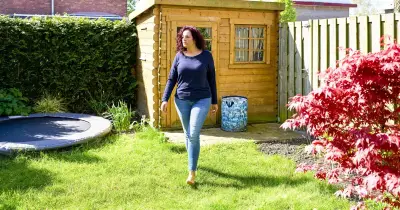
Placing your bird feeder under a tree might seem to be the most logical choice, but it can be genuinely hazardous. Given that this is where birds tend to congregate and roost, it becomes a hotspot for droppings, which is exactly how disease can spread. Relocating the bird feeder to a different part of the garden, such as close to a house wall, can help reduce this contamination.
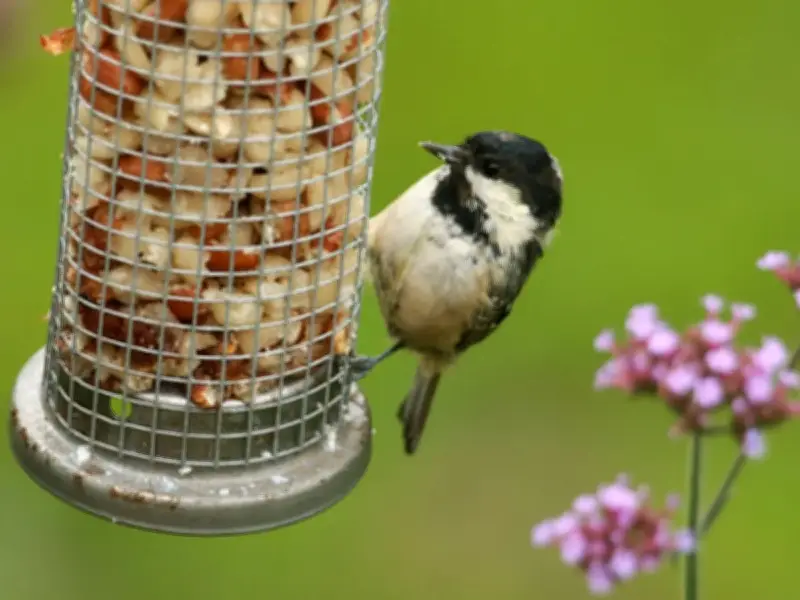
The material of a feeder can also have an impact on hygiene, with traditional wooden feeders being especially vulnerable to bacteria. Classic wooden feeders are more porous and can harbour bacteria in cracks and crevices, making them more difficult to clean and disinfect thoroughly, while also drawing in pests. Standard plastic feeders are simpler to wipe down but can deteriorate with prolonged exposure to UV light. For the ideal combination, outdoor experts suggest recycled plastic feeders – which offer smooth, easy-to-clean surfaces alongside superior weather resistance and durability.
Cleaning guidance from the RSPB
The RSPB recommends that households clean bird feeders at minimum once a week using hot soapy water, removing any old food or droppings from around the feeders and disinfecting surfaces with non-toxic or mild solutions.
Kym Barlow from TDP said: "Trichomonosis is a serious threat to garden bird populations, and contaminated feeders are one of the primary ways it spreads. But it's easy to underestimate how quickly they can become a health hazard."
"A few minutes of cleaning each week can make a real difference to the birds visiting your garden, and it really helps protect local wildlife."
Step-by-step cleaning method
Wearing rubber gloves, empty the feeder and dispose of the contents in an outdoor household bin. Then, fill a bucket with hot, soapy water and dampen the surfaces of the feeder with water. Scrub the feeder with a brush, removing any food residue and droppings. Finally, rinse with cold water beneath an outside tap and leave the feeder to dry out completely.