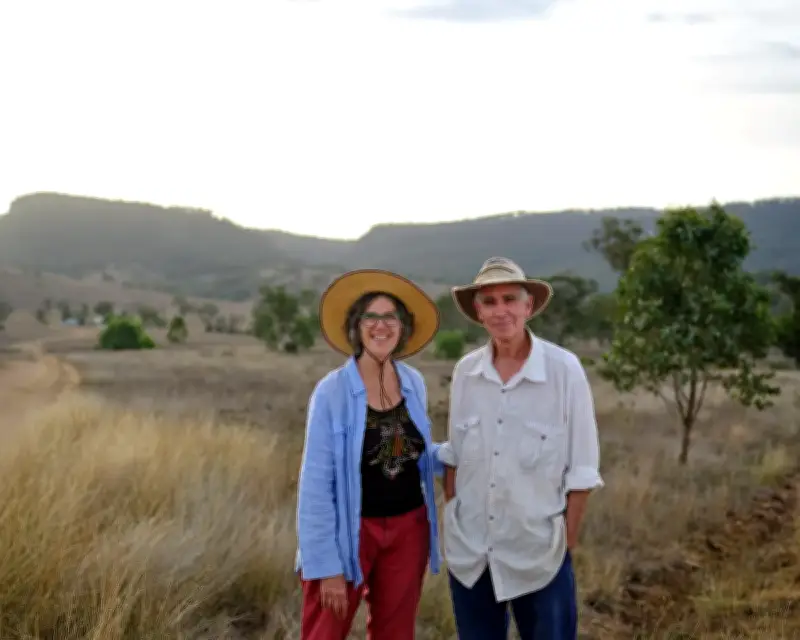
Wendy Wales and Tony Lonergan, retired schoolteachers from the NSW Upper Hunter Valley, have won a landmark high court case against MACH Energy's Mount Pleasant coalmine expansion, with the court ruling that the state government is responsible for greenhouse gas emissions from coal burned overseas.
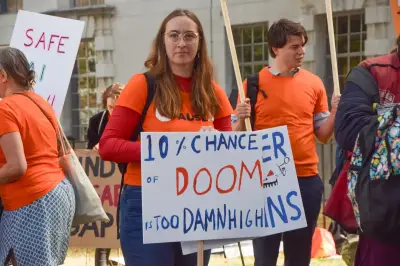
The couple, along with their community group Denman Aberdeen Muswellbrook Scone Healthy Environment Group (Dams Heg), had been fighting the proposed expansion for more than four years. When they started, people thought they were "crazy – a little community group taking on a billion-dollar coal company, arguing that the climate harm from burning this coal is our problem too," Wales said.
Landmark ruling
On Wednesday, the high court found in a 3-2 ruling that the Independent Planning Commission of NSW failed to consider imposing conditions to minimise scope 3 emissions – those from burning coal after it is sold and exported – when it approved MACH Energy's expansion. The approval was ruled invalid.
The case, an appeal by MACH Energy to an earlier NSW court of appeal decision, was the first time Australia's highest court had been asked to consider climate change.
Community group's journey
Dams Heg was established 12 years ago by local professionals including teachers, a childcare worker and a vet, who shared concerns about the local environment and climate. "It really came down to, if not us, who, and if not now, when," Lonergan said.
The initial proceedings in the NSW land and environment court favoured MACH Energy, but last year Dams Heg succeeded on appeal. The high court's judgment also found the approval invalid, but on a different basis, ruling the planning commission did not consider whether scope 3 emissions could be mitigated.
Impact and reaction
MACH Energy's project would have doubled the mine's coal output to 21 million tonnes a year until 2048, with 98% of projected emissions being scope 3.
Elaine Johnson, director of Johnson Legal which represented Dams Heg, said the decision confirms Australian governments must take responsibility for emissions from coal exports. "Given that Australia is the second largest exporter of coal in the world, this is a very significant judgment," she said.
Climate Council CEO Amanda McKenzie likened the win to the storyline from the film The Castle: "A community group from the Upper Hunter took on a coal giant, went all the way to the high court, and won."
NSW Greens climate change spokesperson Sue Higginson said the high court has "exposed the New South Wales coal approval process for the sham it is" and that the decision could lead to legal difficulty for the recently approved Hunter Valley Operations extension, the largest coal project in NSW.
Wales said the community group feels "vindicated" by the decision. "We're still a bit disbelieving. But the journey of a thousand miles really begins with the first step," she said.