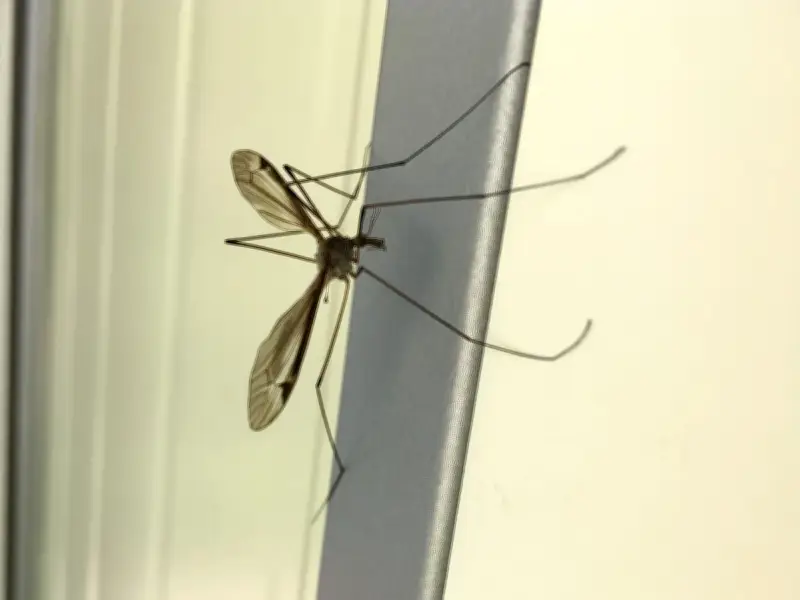
Daddy long legs, also known as crane flies, are entering their prime mating season across the UK, and the wetter autumn weather means more of the six-legged insects are appearing indoors. While they do not sting or bite, many households prefer to keep them out, and there are several straightforward methods to do so.
Why crane flies are appearing now
Crane flies spend most of their lives out of view. After eggs are deposited in grass or soil, the larvae, commonly called leatherjackets, remain underground for months. When conditions become favourable, typically after late-summer warmth followed by wet weather, adult crane flies emerge in large numbers.
Their emergence often peaks in early autumn, which is when people across many areas of Britain tend to notice them most indoors. One Brit recently shared a "friendly reminder" about the season on TikTok, posting footage from her bedroom where a daddy long legs had settled in. Amalie Robyn said: "I don't mind them until they tickle my face at night... that really freaks me out."
Crane flies are harmless to humans
Despite their reputation, crane flies do not sting or bite, and their adult lifespan is no more than three weeks, focused primarily on mating and depositing eggs. A common myth claims daddy long legs have the most deadly venom of any insect but cannot administer it because their teeth are too small. This is not true, as crane flies have no venom. While some similar insects do carry venom, it is far too weak to affect humans.
How to keep crane flies out of your home
Several practical steps can help reduce the number of crane flies entering homes. Closing windows at dusk, particularly in rooms with lights on, is recommended, as is ventilating earlier in the day and shutting windows when darkness falls. Fitting insect screens on frequently opened windows can prevent most from getting in, and doors should not be left propped open in the evening.
Reducing bright lighting near open windows and doors helps, as does switching to warmer-toned bulbs, which are generally less appealing to insects than bright white or blue-toned lighting. Outdoor lights should be switched off when not required, or fitted with motion sensors to avoid attracting insects towards entrances throughout the night. Drawing curtains or blinds can limit the "beacon" effect of light spilling outside.
Fitting or replacing door draught excluders, inspecting window seals and frames for gaps, and using appropriate mesh covers over vents can close off entry points. Any insects that do get inside should be dealt with swiftly using the glass-and-card technique or a bug catcher and released outdoors. Keeping the area around windows and doors free of clutter makes it easier to spot them early and stops them concealing themselves behind furniture or curtains.