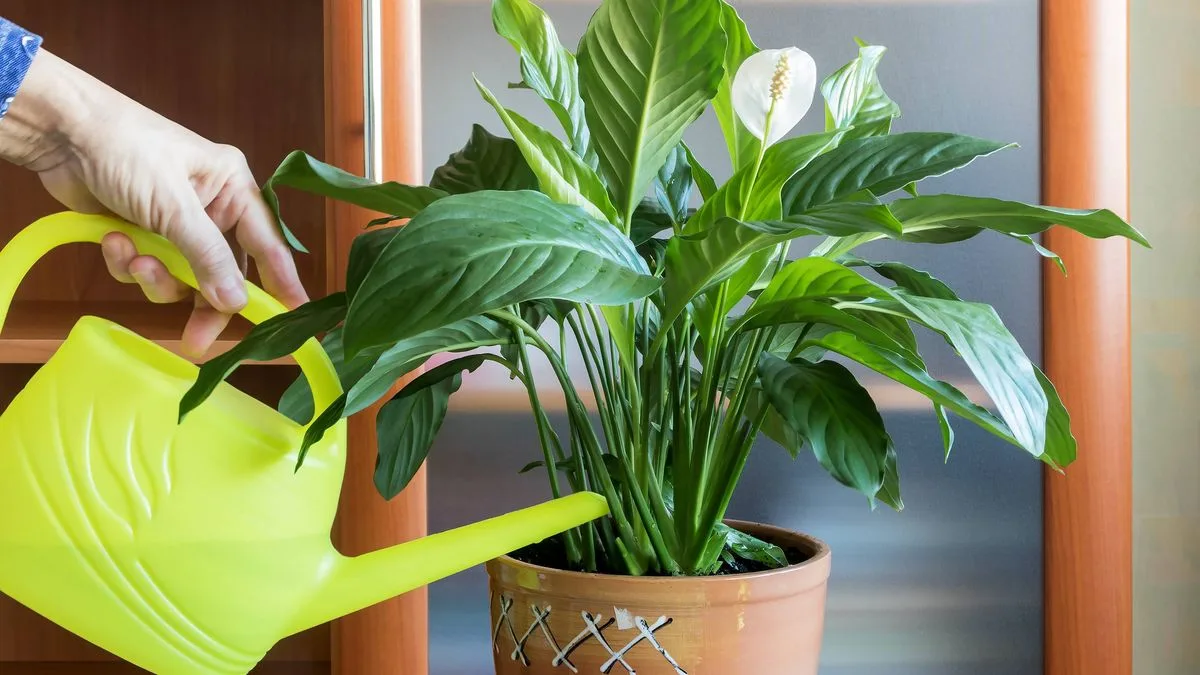
Peace Lily Blooms With 8 Flowers After Gardener Switches From Tap To Filtered Water
Peace Lily Blooms With 8 Flowers After Water Change

A dedicated gardening enthusiast has shared her remarkable success story after making one simple adjustment to her plant care routine, resulting in her peace lily producing eight magnificent white flowers.

The Transformative Power Of Filtered Water

Posting on the popular Peace Lily Family Facebook page, Hannah Saunders displayed photographic evidence of her thriving houseplant, which had previously struggled with droopy, brown leaves and minimal flowering. Her revelation was straightforward yet impactful: she had stopped using ordinary tap water and switched exclusively to filtered water for irrigation.

"I can see eight flowers total on my peace lily," Hannah wrote. "She gets filtered water when needed, no more tap water. She didn't have many flowers on her before, and her leaves were always droopy and brown."

Why Tap Water Can Harm Peace Lilies

Peace lilies, while generally considered low-maintenance houseplants, possess specific sensitivities that many owners overlook. The chemicals commonly found in treated tap water, particularly fluoride and chlorine, can accumulate in the soil over time and cause significant distress to these elegant plants.

Specialists at Greeny Gardener explained this phenomenon in detail: "Peace lilies can be a bit sensitive to the chemicals found in standard tap water, particularly chlorine and fluoride. Over time, these can build up in the soil and cause brown, crispy leaf tips. They can also lead to a lack of blooms."

The visual symptoms of chemical sensitivity are often unmistakable:

  • Premature wilting of flowers
  • Discolouration of foliage
  • Brown, crispy leaf tips and edges
  • General lack of flowering despite adequate light and care

Optimal Watering Solutions For Healthy Peace Lilies

While tap water isn't inherently toxic to all houseplants, it represents a suboptimal choice for peace lilies due to the chemical residues from municipal water treatment processes. Gardening professionals recommend several superior alternatives that can dramatically improve plant health and flowering.

The experts at Greeny Gardener identified what they consider the "best options" for watering peace lilies:

  1. Filtered or distilled water: Described as "the gold standard" for peace lily care, this option is completely free from harsh minerals and chemicals that can accumulate in soil.
  2. Rainwater: A free, natural alternative that's "full of nutrients your plant will love" without any chemical additives.
  3. Dechlorinated tap water: For those who must use tap water, allowing it to sit in an open container for at least 24 hours enables much of the chlorine to evaporate naturally.

Practical Implementation For Plant Owners

Hannah's experience provides a compelling case study for peace lily owners experiencing similar issues. The transition from tap to filtered water represents a simple, cost-effective adjustment that yielded dramatic results in both flowering and overall plant vitality.

For gardeners noticing browning leaves or lack of blooms on their peace lilies, this watering adjustment could represent the solution they've been seeking. The plant's response to cleaner water often manifests relatively quickly, with improved foliage colour and increased flowering becoming apparent within a few weeks of making the switch.

This gardening insight underscores an important principle of houseplant care: sometimes the most significant improvements come from addressing fundamental aspects of plant maintenance that might otherwise be overlooked. For peace lily enthusiasts, paying attention to water quality could mean the difference between a struggling plant and one that produces eight spectacular blooms like Hannah's.