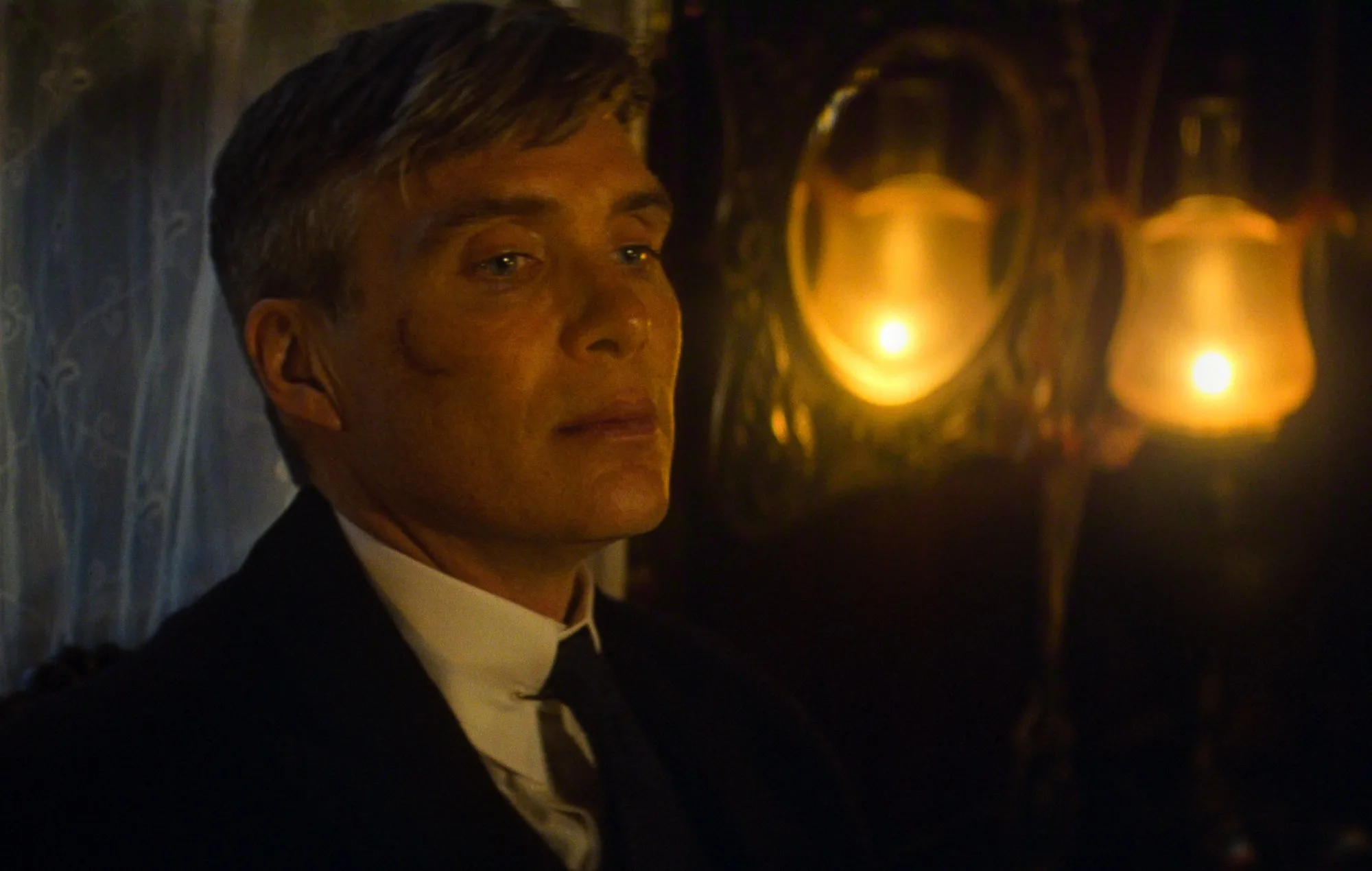
Peaky Blinders creator Steven Knight has long insisted that his Birmingham-based gangster drama would conclude during World War Two. Now, with Peaky Blinders: The Immortal Man, that promise is fulfilled. The film, released in cinemas before arriving on Netflix, opens in 1940 as the Nazis forge £350 million to crash the UK economy. But Tommy Shelby (Cillian Murphy), former leader of the Peaky Blinders, is in rural retreat, writing a book, his family all but gone.
His solitude is broken by a visit from sister Ada (Sophie Rundle), who warns that his estranged son Duke (Barry Keoghan) now runs the firm. Duke, nursing a grudge, has struck a deal with the Nazis to move counterfeit money via canal boat from Liverpool, aided by Beckett (Tim Roth). The deal profits the new Blinders but aligns them with a regime persecuting their gypsy kin, forcing Tommy back to Birmingham to intervene.
The film features action and a montage of Tommy donning his old clothes and dusting off his Rolls Royce Phantom, reminiscent of James Bond in Skyfall. Yet The Immortal Man feels like a final episode, haunted by ghosts of fallen characters like Arthur and Polly. It lacks the punk energy of early seasons, with only occasional flashes of cold-blooded violence.

Directed by Tom Harper, the film includes missteps such as a cheesy sex scene between Tommy and Rebecca Ferguson's Kaulo, and an odd father-son fight. The soundtrack, featuring covers of Massive Attack's 'Angel' and 'Teardrop', pleases fans. Cinematic touches, from WWII bomber POVs to Nick Cave's 'Red Right Hand', elevate the production, alongside strong performances from Murphy, Keoghan, Roth, and Stephen Graham.
While not as emotional as hoped, this sombre final chapter wraps up the series tightly, like a burial shroud. Fans may find it a fitting, if unnecessary, swan song.