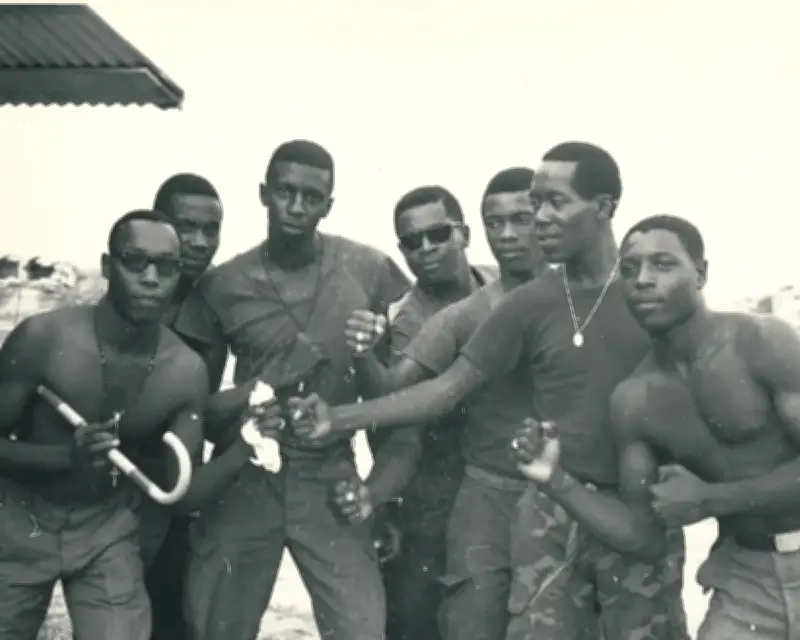
During the Vietnam war, a specialized patrol of army volunteers became critical to the US military effort. Known as long-range reconnaissance patrols, or LRRPs, these small teams of six to eight soldiers were dropped behind enemy lines to track supply routes and hostile positions, sometimes for days at a time. Stealth was essential. Their job was to identify targets and call in airstrikes while avoiding direct engagement with enemy forces.
Black American soldiers faced slim odds of being selected for such assignments in a military still riven by racial discrimination. But one elite team of all-Black LRRPs crossed that barrier. Their time in Vietnam exacted a terrible toll, leaving scars that endured for decades.
A Hidden Chapter of US Military History
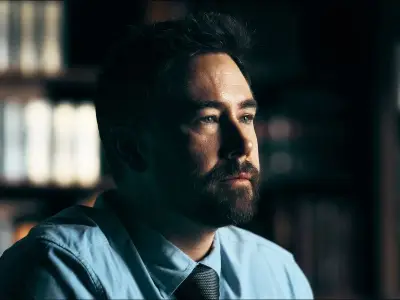
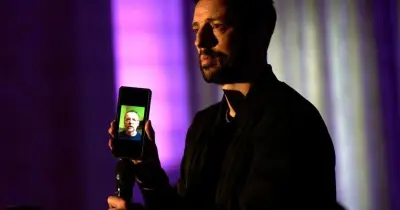
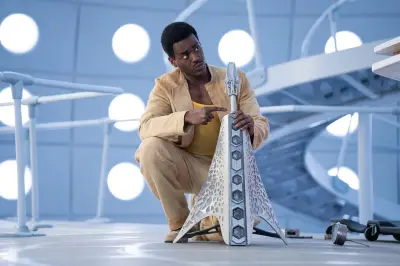
Directed by JM Harper, the documentary Soul Patrol uncovers the story of army team 2/6 of company F, 51st infantry, the Vietnam war's first Black special operations team. Based on a 2003 war memoir of the same name, the film follows author Ed Emanuel as he assembles the team for a gathering that edges from high school reunion to PTSD group therapy session.
The central trauma stems from a reconnaissance mission in the summer of 1968 that sent the operatives into Cu Chi, a Viet Cong stronghold north-west of Saigon, to map out a sprawling tunnel network that had figured prominently in the Tet offensive. Emanuel recounts how the team remained undercover as mortar rounds fell and North Vietnamese platoons marched back and forth, trying to flush them out.
Living with PTSD
Over the course of its 100 minutes, Soul Patrol takes the full measure of the trauma the soldiers carry, blurring the lines between the present and the past. It knits raw super 8mm footage, newsreels and photographs together with contemporary footage and interviews. The film's most jarring set piece opens with present-day Emanuel in a Piggly Wiggly supermarket as the past comes flooding back in the form of visions of him and his teammates stalking him past the meat counter and down the cereal aisle.
For the film's faithful reconstruction of Vietnam battles, Harper shot scenes around the South Carolina Lowcountry, parts of which doubled for Forrest Gump's Vietnam. At the end of their tours, many soldiers were flown back to the US within 48 hours, with no time to process grief or loss.
Between Two Americas
Black soldiers couldn't expect a hero's welcome either. They were caught between two Americas: the distant outpost where racial discrimination remained entrenched, where "soul patrol" was used as a euphemism to denigrate the 2/6; and the homeland raging with anti-war protesters who degraded veterans at first sign of a uniform patch.
Jesse Lewis, a prominent Black journalist who covered the war from Vietnam for the Washington Post, says: "In some of the units I went to, there was a very high proportion of Black GI casualties – maybe twice the rate among the overall soldier population." He adds: "A Black kid who grows up in Chicago or Tennessee and wants to be the tough guy, the hero, to demonstrate their courage. It wasn't that they were being used. They wanted to demonstrate not only their loyalty, but also that they were soldiers."
Soul Patrol shows Black GIs reveling in their first tastes of freedom – throwing back beers, interacting with women and grooving to James Brown and other soul music in a country where they were treated with dignity. The film is out in US and UK cinemas now.