Beth de Araújo's new movie takes a very big swing, and it has won prizes and acclaim since its premiere at Sundance. The lead performance from its eight-year-old newcomer Mason Reeves is outstanding, though some of the film's high-concept ideas left this reviewer unsure.
A Child Witnesses a Crime
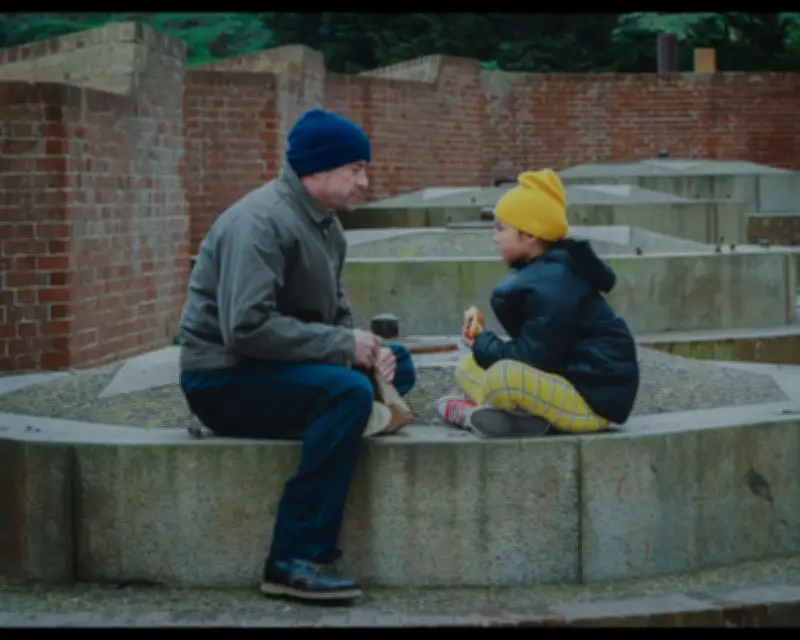
Channing Tatum and Gemma Chan play Damien and Claire, a smart professional couple in San Francisco with a bright young daughter called Josephine, marvellously played by Reeves. Damien takes Josephine to Golden Gate Park one morning to play football, as they enjoy watching the English Premier League on TV. She runs on ahead to a secluded spot where Damien cannot immediately find her, and there Josephine witnesses a rape, filmed in long shot.
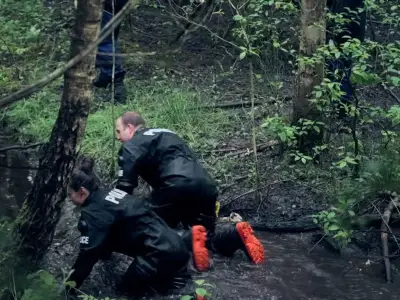
Damien catches up with Josephine and gives chase to the rapist. Josephine and the rape victim end up in the back of a police car while the cops and Damien deal with matters, almost as if they are culprits and prisoners. Deeply affected by something she cannot understand or process, Josephine starts acting out in school, not helped by Damien insisting she take self-defence classes. Her disorientation borders on psychosis, and all the time the court date nears when Josephine has to give evidence in front of a jury.
Strong Moments and Contrivances
There are some strong moments here, but also moments when Damien and Claire's furious rows look like an acting improv class. The big motif of the whole film is that the rapist himself keeps appearing silently in scenes, like a ghost that only Josephine can see. This arguably approximates what many people in this situation can experience, but after a while it feels contrived.
The victim herself is supposedly going to be absent from court, not being subject to a subpoena, but the procedural chill of this plot point is cancelled when she arrives at the end to give courageous Josephine an emotional thank you for her evidence.
An Open Verdict
The verdict is not actually shown. The defence tries to undermine Josephine's testimony and suggest something more complex was going on, some consensual role-play, but the film itself does not create any complexity or ambiguity arising from what Josephine saw and from what we see from her point of view. Perhaps the point is that the verdict is not relevant, as Josephine and her parents will still have to get on with their lives and deal with the after-effects of this trauma. That is fair enough, although in the real world the verdict would surely be very important.
So some misjudgments here, but Reeves is impressive. Josephine is out on 20 November in the UK and US, and 18 February in Australia.