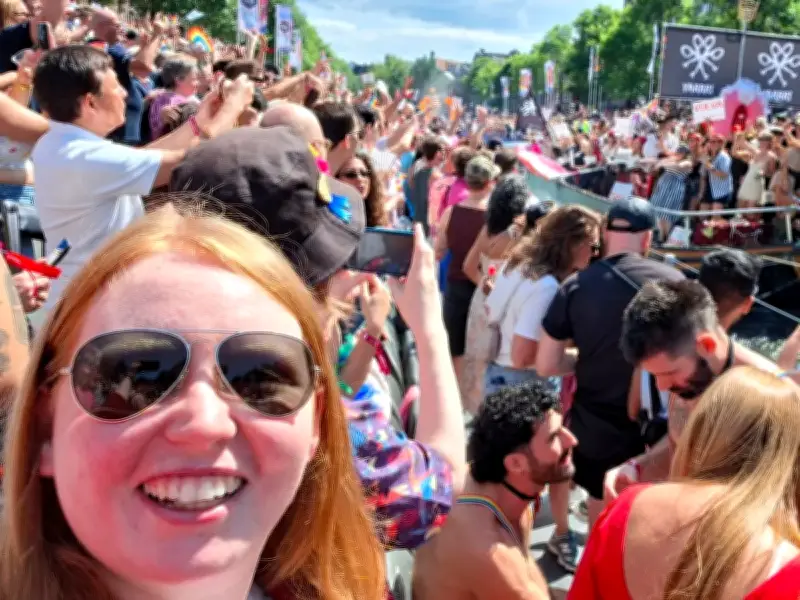
Just a week after a van ramming attack at Berlin Pride killed one person and injured 29 others, writer Olivia Sheed attended WorldPride Amsterdam, where an estimated 300,000 people danced along the canals in a powerful show of defiance and joy.
From Newcastle Pride to Berlin Attack News
Sheed had just returned from celebrating Newcastle Pride with her partner when she saw the news alert about the Berlin attack. The joy of the day was shattered as she learned of the casualties. She questioned what this meant for future Pride celebrations: would they be scaled back, would people be afraid to attend, would she herself feel fear?
These questions weighed on her as she prepared for WorldPride Amsterdam, held one week after the Berlin incident. The Dutch city was chosen to host this year's WorldPride, marking 25 years since it hosted the world's first legally recognised same-sex marriage.
Heightened Security and City Atmosphere
Given the recent attack, police and security in Amsterdam were on high alert. Mayor Femke Halsema said the city would take unspecified extra measures following the Berlin attack. Despite these assurances, Sheed felt a cloud hanging over her as she made her way through the streets.
However, other attendees showed no visible tension. In the lead-up to the canal parade, the city buzzed with activity. Pride flags adorned every street, inside and outside businesses, apartments, and public buildings. Fifty major buildings lit up in rainbow colours at night, creating a dazzling display.
A Week of Defiance and Joy
Sheed noted the contrast with Reform councils in the UK fighting to remove Pride flags from public buildings, including the house of Anne Lister in West Yorkshire. In Amsterdam, each flag felt like a welcome, a statement of defiance, and a call to celebrate.
On the day of the canal parade, increased security was met with open arms. Police boats patrolled the canals, waving to the crowd as they settled in. As the first floats passed, the weight on Sheed's shoulders eased. She realised she had been so worried about something bad happening that she had forgotten what being at Pride was meant to be.
Pride as Protest and Celebration
Pride started as a protest, and for many, it still is. In a world where some tell queer people not to "shove it in their face" or believe their existence should be met with violence, simply dancing in the sunshine is a protest in itself. That's what people did: an estimated 300,000 people danced on the banks of Amsterdam's canals, embraced partners, and smiled with friends.
Sheed felt honoured to see how determined people were to show pride, to show that the community has always been here and always will be. Throughout the day, she could barely remember a time when she wasn't smiling. The sun shone, people celebrated, and they felt joy, unashamedly.