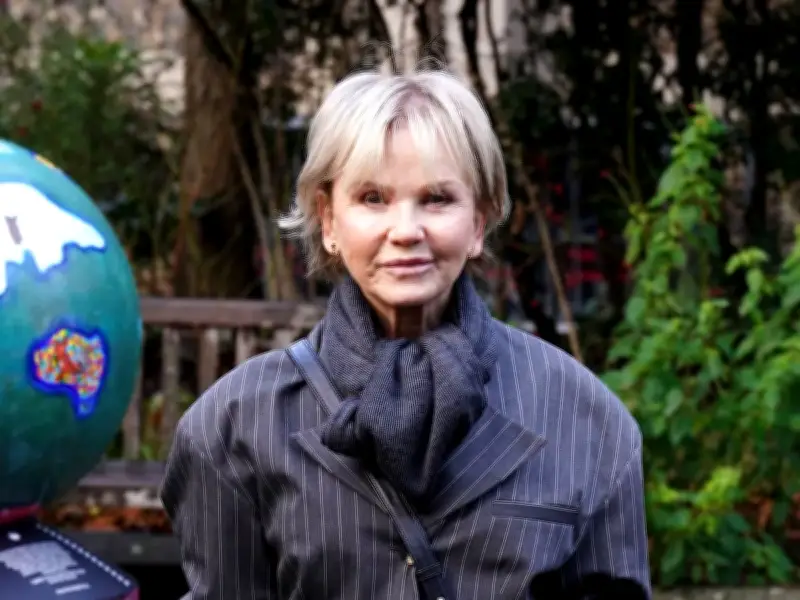
Loose Women panellists have sent a message to Lisa Maxwell after the tragic death of her daughter, Beau Jessup. The 27-year-old was the only child of the British actor and former Loose Women panellist. Beau was the daughter of Lisa and her long-term partner Paul Jessup. She had been studying journalism at Columbia University in New York City.
Columbia University confirms death
The Ivy League university confirmed her death, saying it shared the news with her family's blessing, but did not give any details regarding the circumstances. A statement from the university on Thursday, November 12, said: "Columbia Journalism School mourns the loss of Beau Jessup, a student in our M.S. programme. We extend our deepest condolences to her family, friends, classmates and all who knew and loved her. The J-School is working with Beau's family to offer support and assistance during this difficult time."
Kaye Adams shares emotional tribute
During today's episode of Loose Women, host Kaye Adams told viewers: "Now, you may have already seen the devastating news about our former Loose Women, Lisa Maxwell, today. Lisa's daughter Beau has died suddenly at the age of 27. Beau was Lisa's only child and had been studying in New York."
She added: "There's nothing to say - the feeling of sadness is overwhelming. We are sending all our love to Lisa, her husband Paul, and their family and friends."
Beau's academic background
Before moving to New York, Beau studied social anthropology at the London School of Economics and writing for performance at the University of Cambridge.
Journalism career aspirations
Beau had pursued a career in journalism before her death. She said that being the daughter of Maxwell, also known for starring as Detective Inspector Samantha Nixon in The Bill, had influenced her interest in pursuing a media career.
She had previously spoken about her passion for journalism, she said: "I grew up with an unusual awareness of the distance between people’s lives and the stories told about them. I saw how journalism could illuminate someone’s experiences, but also how those experiences could be distorted, simplified, or transformed into a public narrative over which the subject had very little control. I was curious, from quite a young age, about who gets to tell people’s stories, and what happens when those stories enter the public domain."