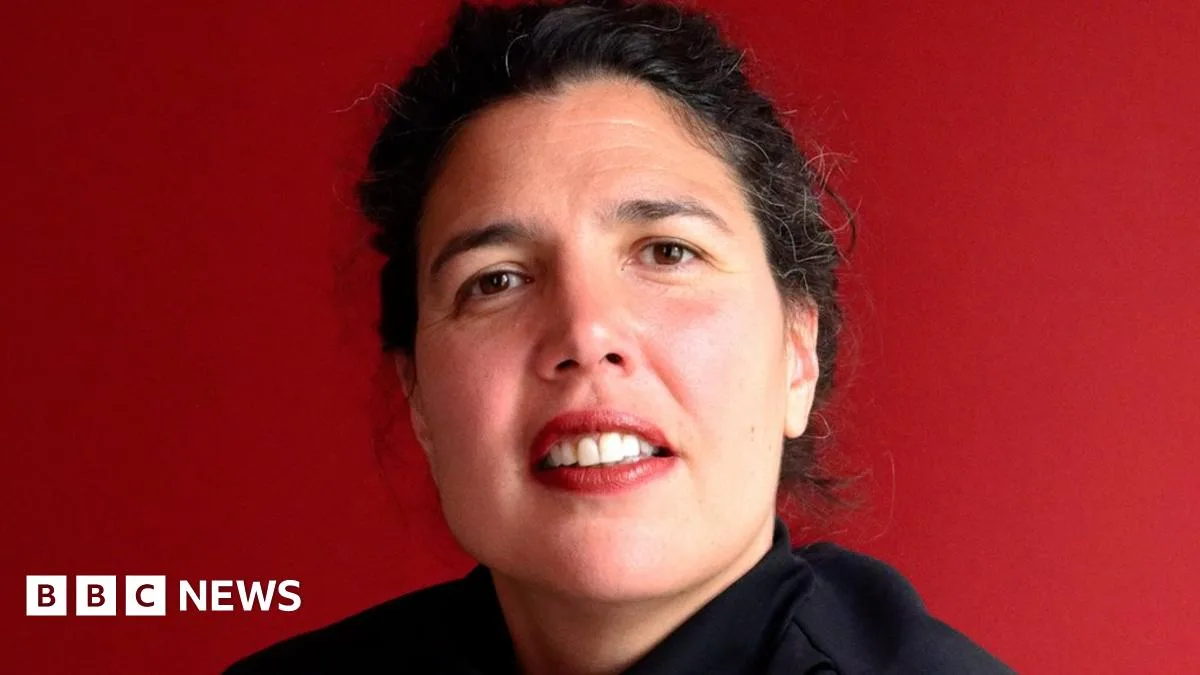
A Cambridge University academic has spent four years researching the case of Elizabeth Bathory, the 17th-century Hungarian countess long branded the most prolific female serial killer in history, and believes she was the victim of a witch hunt.
Dr Annouchka Bayley, an associate professor at Cambridge, first encountered Bathory's story as a teenager working in a second-hand bookshop. She became convinced the countess was framed, a suspicion that led to her recently published historical novel, The Blood Countess.
Bathory was accused of murdering 650 young women between 1590 and 1610, allegedly bathing in their blood to preserve her youth. She was detained at her castle in present-day Slovakia and died mysteriously in 1614.

Dr Bayley's research found that only one body was ever discovered at the castle, and she argues that Bathory was a religious subversive, book smuggler and radical feminist who ran a school for dispossessed noblewomen. This, she says, made Bathory a target for a 17th-century witch hunt.
“Who has the time in one lifetime to kill 650 young women?” Dr Bayley asked. She suggests the countess may have used coffins to secretly move women to safety during wartime, and that her lavish spending on clothes from Venice was likely for a business, not personal use.