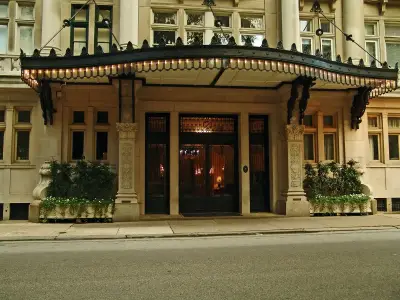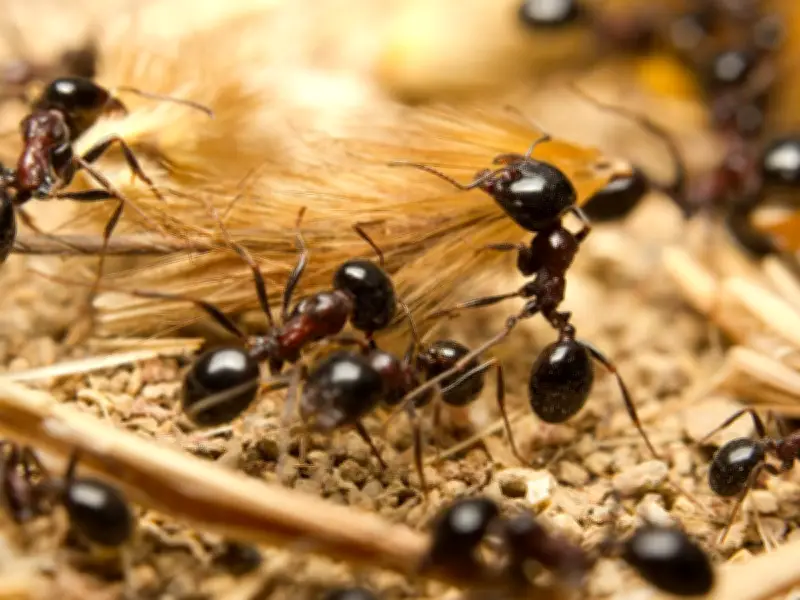
The owner of a Michelin-starred restaurant in Seoul, South Korea, could face jail and a hefty fine after using ants as a dessert topping. Authorities are investigating the restaurant in the upscale Gangnam district, which holds two Michelin stars, following claims it served a sorbet option with a sprinkling of ants.
Ants used as optional topping
The restaurant's owner, who has not been named, admitted to serving ants as a "small part" of the 15-course menu. They claimed the insects were only used as toppings and that customers could request ant-free versions. The case came to light after officials from the Ministry of Food and Drug Safety found pictures and videos shared by customers on social media and in reviews.
In South Korea, only 10 types of insects are approved for eating, including grasshoppers, mealworms, and silkworm pupae. Ants are not among them.

Prosecution seeks prison sentence
It is alleged that the restaurant imported dried ants from the United States and Thailand over the past five years, using nearly 50,000 insects in total. Prosecutors believe the ant-topped desserts were served around 12,200 times, generating approximately £60,647. The restaurant disputed this, claiming only about 60% of customers who chose the desserts opted for the ant sprinkling, resulting in less revenue.
Prosecutors are seeking a one-year prison sentence for the owner and a 20 million won (£10,108) fine for the company that runs the restaurant, according to Yonhap news agency. The defense argued that few dishes on the menu included ants and that restaurants in other countries, such as the UK and Australia, use ants as an ingredient.
The chef who used the ants said he did so to add acidity to the desserts and claimed the practice was common in previous restaurants where he worked in Europe and the US. He also said he did not know it was illegal in South Korea.
Under South Korean law, the maximum penalty for the offense is five years in prison and a 50 million won fine. The court is expected to deliver its verdict on September 2.