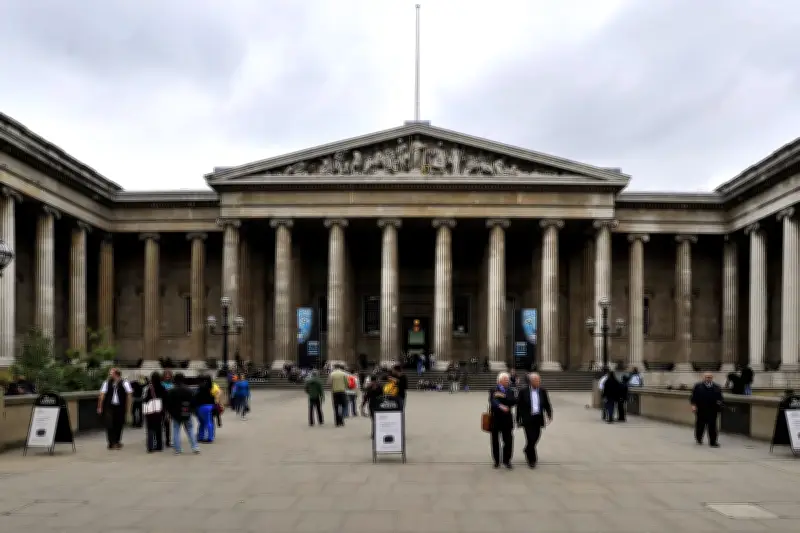
The British Museum will stage its second annual fundraising ball on October 17, with tickets priced at £3,500 per head, up from £2,000 last year. The event follows the success of last year's Pink Ball, which raised over £2 million.
Red Theme Chosen as Unifying Thread
The museum has selected red as this year's theme, describing it as a 'unifying thread' through all three major exhibitions. Red is the earliest pigment known to have been used by humans in artistic expression. It reflects the embroidered wool of the Bayeux Tapestry, the stripes of the American flag, and the rich hues of Korean art.
Artist and designer Es Devlin, known for kinetic stage designs at the Super Bowl and Royal Opera House, is the artistic director. Devlin said the ball 'will help the British Museum continue to offer over six million people each year free immediate access to two million years of human history'.

Exhibitions and Controversy
The museum will host the Bayeux Tapestry from September, alongside a display marking the 250th anniversary of the United States and an exhibition on 2,000 years of Korean creativity. Last year's ball was attended by over 800 guests, including former Prime Minister Rishi Sunak, Sir Mick Jagger, Naomi Campbell, and Mayor of London Sadiq Khan.
The event was disrupted by a climate protester who took the stage during a speech by chair of trustees George Osborne. The ball also angered the Greek government, as some guests dined in the same room as the contested Elgin Marbles.
Funds for Museum Overhaul
Proceeds from this year's ball will support the museum's overhaul plan, including a complete reworking of the Western range and an energy centre to reduce its carbon footprint. Nicholas Cullinan, director of the British Museum, said: 'Set within the beautiful galleries of the British Museum, the ball embodies the institution's unique role as a global meeting place for cultures, ideas and creativity. Bringing together artists, collectors, patrons and cultural leaders from around the world, it celebrates the power of cultural exchange while championing the museum's future.'