The United Nations General Assembly has passed a landmark resolution describing transatlantic chattel slavery as 'the gravest crime against humanity', a move widely welcomed across Africa. The vote, which saw 123 nations in favour, was backed by African, Asian, Caribbean, Latin American and Arab states, while Western nations including the UK, Canada and Australia abstained. Only the US, Israel and Argentina voted against.
The resolution, though not legally binding, is seen as a crucial step towards reparatory justice. Human rights advocates argue that opposition stems from fears it could open the door to reparation payments. The US ambassador to the UN economic and social council, Dan Negrea, stated that Washington 'does not recognise a legal right to reparations for historical wrongs that were not illegal under international law at the time they occurred'.
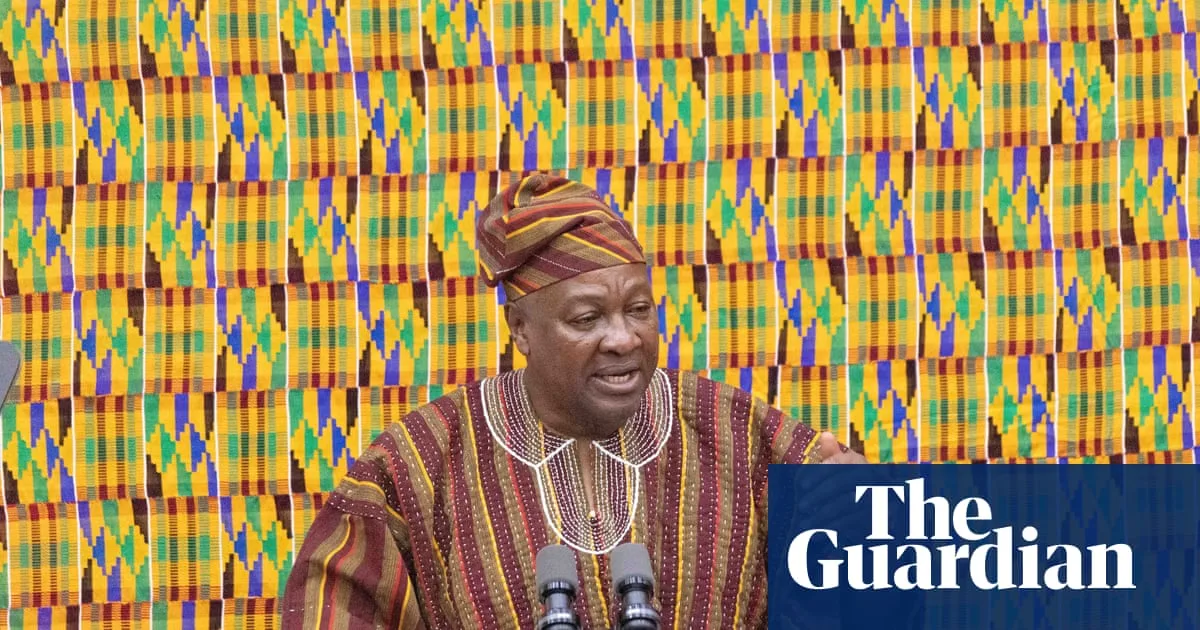
Ghana's President John Mahama, who championed the resolution, has been named the African Union's reparations champion. The AU has declared 2026-36 its 'decade of reparations' and is developing a framework for reparatory justice. Mahama, set to become AU chair in 2027, expressed confidence in the fight, saying: 'We travel this long road, each step guided by a desire to be better and to do better.'
UN Secretary-General António Guterres called for 'far bolder action' following the vote. The resolution was the result of months of consultations across Africa and the diaspora, and proponents believe the collective momentum is unstoppable. An AU committee of experts is now engaging descendants of enslaved people worldwide to determine next steps.