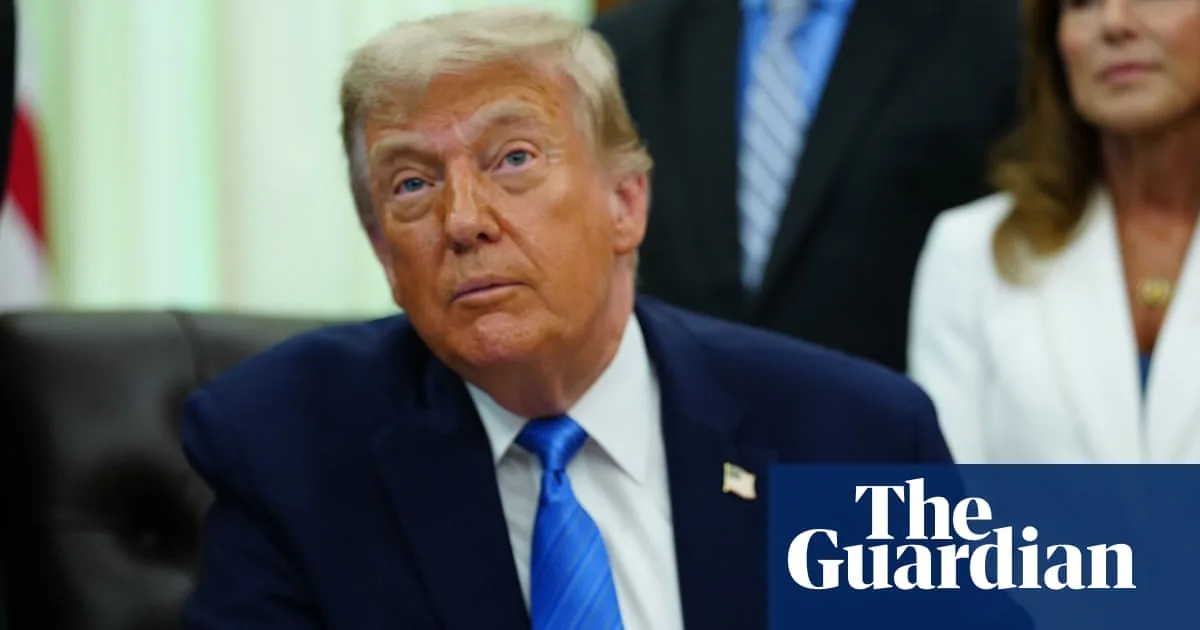
Explosions were reported across Iran on Thursday after US President Donald Trump vowed to “hit them hard again”, prompting Tehran to retaliate with strikes targeting Bahrain, Kuwait and Jordan. The fresh US assault appeared more intense than the previous day, hitting cities including Tehran and the port city of Bandar Abbas, though Iran released no information about what was struck.
The escalation came as a two-month-old ceasefire appeared close to collapse. Kuwait closed its airspace due to the attack, while Bahrain sounded missile alert sirens and Jordan did not acknowledge the strikes, though the US embassy in Amman had warned of them. The back-and-forth exchanges this week follow the downing of a US Apache helicopter over the Strait of Hormuz, which Trump blamed on Iran.
US Central Command said the strikes were “in response to Iran’s unwarranted and continued aggression”. Trump accused Iranian negotiators of “playing us for suckers”, claiming a peace deal was imminent but that Tehran was stalling. He also alleged the US had been extracting millions of barrels of oil from Iran nightly, keeping global prices at $85–$90 per barrel.
Iranian state media reported that earlier US strikes had hit two reservoirs in southern Iran, leaving 20,000 residents without water. Iran’s foreign ministry spokesperson, Esmail Baqaei, said the US strikes jeopardised ongoing ceasefire negotiations. A Qatari delegation landed in Tehran on Wednesday to discuss de-escalation.
The US military described its initial attacks as a “proportional response” to the helicopter downing, saying it had hit Iranian air defences, ground control stations and radar sites. Iran reported attacks on Qeshm island and the port city of Sirik. Meanwhile, UK maritime security firm Ambrey reported two crew members missing and one injured after a suspected US missile strike on a tanker enforcing the blockade of Iranian shipping routes.
Trump is keen for a peace deal ahead of US midterm elections amid rising inflation and falling approval ratings. However, significant gaps remain: Iran seeks sanctions relief and control over the Strait of Hormuz, while Trump insists any deal must prevent Iran from developing a nuclear weapon.