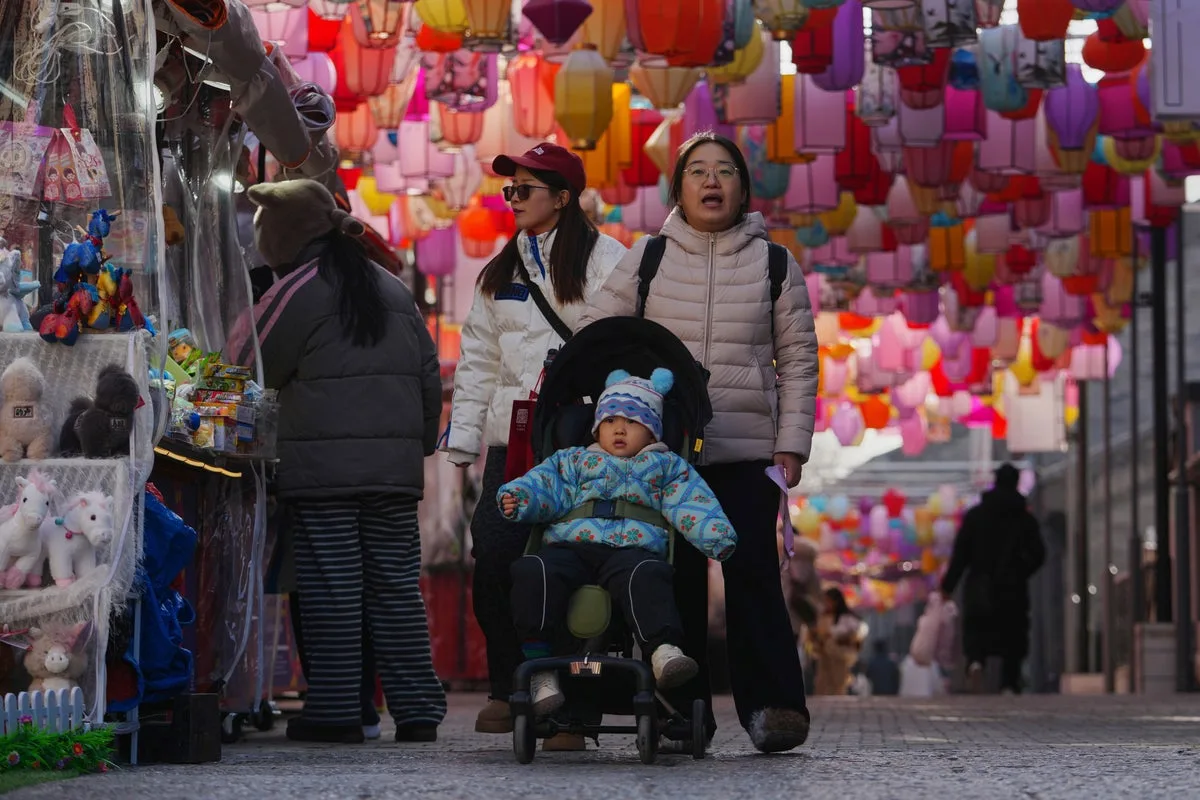
China's one-child policy, one of the world's most stringent population control measures, involved forced abortions, widespread sterilisation, and the sale or killing of baby girls due to a preference for male children. Now, experts are questioning whether such drastic action was necessary, as China's birth rate has fallen to record lows and its population has declined for four consecutive years, according to official statistics released this week.
The policy, enforced from 1980 to 2015, was introduced amid fears that unchecked population growth would hinder economic development and strain resources. At the time, global concerns about overpopulation were widespread. However, birth rates had already begun to decline in the 1970s due to government encouragement of smaller families, and it remains unclear how much of the subsequent decline was directly attributable to the one-child policy versus broader economic and social changes.
Mei Fong, author of the 2016 book 'One Child: The Story of China’s Most Radical Experiment,' described the policy as a demographic self-inflicted wound. The policy also created a gender imbalance due to son preference, and the generation raised as only children—often called 'little emperors'—now face immense pressure as they support aging parents and grandparents alone, leading to anxiety and depression, Fong noted.
China's leaders scrapped the policy in 2015, alarmed by a shrinking workforce and an aging population. In 2016, couples were allowed two children, and the limit was raised to three in 2021. However, reversing the cultural mindset has proven difficult. Despite incentives such as cash subsidies and the elimination of a tax exemption for condoms, birth rates continue to fall, mirroring global trends where wealthier populations choose to have fewer children.
The country now faces a looming shortfall of working-age adults to support a growing retiree population, threatening government finances and pension systems. Yi Fuxian, a senior scientist at the University of Wisconsin-Madison, highlighted the dramatic drop in sterilisation numbers after the policy was eased, from 1.4 million women in 2014 to 190,000 in 2020, indicating the policy's direct impact on reproductive choices.