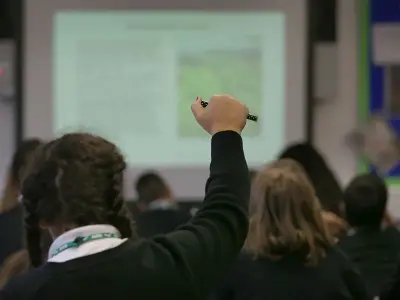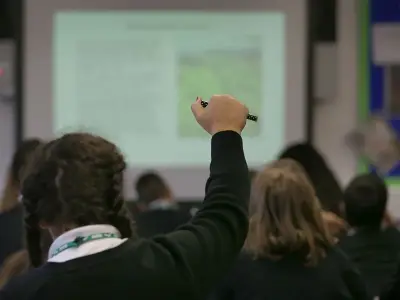
Secondary schools across England will be instructed to stop teaching GCSEs early as part of a major curriculum shake-up designed to halt a decline in pupil engagement and keep children in school. The revamped curriculum for Years 7 to 9, covering pupils aged 11 to 14, is due to be published in full later this year and will strip back "over-crowded" syllabuses to focus on core fundamentals, everyday numeracy, reading for pleasure and spoken communication skills.
Why early exam preparation is being scrapped
Ministers say the intervention will "make the first three years of secondary school count" while easing the intense academic pressure that has caused high levels of disengagement before teenagers choose their exam options. The overhaul is also intended to tackle persistent absence, which the Department for Education said nearly doubles from Year 6 to Year 9, and to address the rising number of young people not in education, employment or training.
Under current practice, secondary schools frequently compress Key Stage 3 into two years. In a survey by Public First, more than half of teachers said qualifications dominate the first three years of secondary school, with some schools starting teaching for exams most pupils take at 16 when they are in Year 7, prompting children to consider exam choices long before Year 10.
Under the new guidelines, whole years will no longer be pushed into starting so early, and children should not routinely be required to narrow their options earlier or be entered earlier for exams. However, teachers will be able to stretch high-achieving pupils or groups who are ready to be fast-tracked without narrowing their options, the Government said.
Tackling a doubling of secondary school truancy
Education Secretary Lucy Powell said: "The early years of secondary school should be a time when children are excited to go to school and engage in the specialist and much broader teaching on offer, and where they find their passion and develop a love of learning. Instead, we’ve seen worrying trends of disengagement and high levels of persistent absence, with the disadvantage gap stubbornly large and too many leaving school without the knowledge and skills they need to thrive."
She added: "That’s what our exciting and engaging new national curriculum aims to address as part of our wider education reforms. What’s more, the pressures of GCSEs and an overcrowded curriculum are resulting in too many children receiving a narrower offer during Key Stage 3 (Year 7-9) and being rushed towards exams without grasping the fundamentals or developing deeper understanding. I’m putting a stop to that."
Ministers believe the current set-up is contributing to Britain's school attendance crisis. Data shows rates of persistent absence nearly double between Year 6 and Year 9, from 13% to 25%, leaving thousands of teenagers disengaged from education before they reach the years where they take their exams. It is hoped this will reduce the number of teenagers ultimately leaving school classified as NEET (not in education, employment, or training).
More classroom time for creative subjects and life skills
The slimmed-down curriculum will include a more engaging offer in subjects like drama, PE, music, and modern foreign languages, alongside technical and digital skills. The Government said the changes are aimed in particular at improving outcomes for white working-class pupils, for whom disengagement in the transition to secondary school is markedly worse, according to an independent inquiry, affecting their attendance, attainment and ultimately their life chances.
Baroness Estelle Morris, who co-chaired the inquiry into white working-class pupils’ school outcomes, said: "Our report highlighted the problems for children at points of transition, including the move from primary to secondary school – it also demonstrated how white working class young people and their families disengage from the education system through the Key Stage 3 years. This is why I welcome the Government’s commitment to begin to address these issues."
She added: "The work of the inquiry is not yet over and we will soon come forward with fresh plans to drive change for white working class young people in the education system. Together, we should be relentless in our focus on changing the opportunities available for this group of children and families."