Trump's Warning and US Military Response
Donald Trump has vowed that Iran will pay for the killing of US troops “many times over” following the deaths of three service personnel in recent days. The US president issued the warning after the American military launched a further wave of strikes, sparking retaliatory attacks by Tehran.
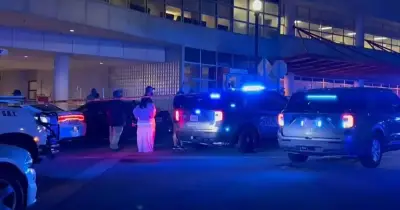
US Central Command said two soldiers were killed in Jordan on Friday while defending against Iranian ballistic missile and drone attacks. It was subsequently announced a service member had died in Iraq during the “controlled detonation” of a downed Iranian drone. Some 17 US troops have been killed since the start of the war.
Trump's Truth Social Post and White House Plans
Writing on his Truth Social platform, Mr Trump said: “Every time Iran kills an American Soldier they will pay for that killing many times over!” He added that this “directive” had been passed on to defence secretary Pete Hegseth and top US general Dan Caine as well as other military commanders. White House press secretary Karoline Leavitt has said Mr Trump will attend Dover Air Force Base in Delaware on Tuesday evening for the return of the fallen service personnel.
Iranian Casualties and US Defense Department Message
Iranian authorities have said at least 50 people have been killed and more than 500 wounded in the latest rounds of US strikes. Shortly after Mr Trump’s warning, the US defence department posted on X a drawing of a soldier in revolutionary-era battledress carrying a musket, with the message: “We untie the hands of our warfighters to intimidate, demoralise, hunt and kill the enemies of our country. No mercy.”
Strait of Hormuz and Global Economic Impact
Meanwhile, Tehran has continued to target shipping in the Strait of Hormuz and the US enforce a restored naval blockade of Iranian ports as both sides wrestle for control over the contested Gulf waterway, which is vital to global energy supplies. The fighting has caused maritime traffic using the channel to plummet, leading to renewed concerns over the impact on economies around the world, including the UK. The situation in the Middle East and the movement of shipping through the strait was among the topics discussed by newly installed Prime Minister Andy Burnham and the US president in a phone call soon after his arrival in Downing Street.
The strait had been open before the war was launched by the US and Israel on February 28. In response to the offensive, Tehran effectively closed the waterway to maritime traffic, which disrupted global oil and gas supplies and drove up fuel and food prices.
Ceasefire Deal and Iran's Leverage
Despite the initial ceasefire deal with the US, known as the memorandum of understanding, Iran continued to exert leverage over the sea route by demanding ships seek permission to transit, raising the threat of future charges and attacking vessels. Tehran claims it controls the channel, while this is disputed by the US and other countries, which cite international law on freedom of navigation.
US Open to Diplomacy, Says Rubio
US secretary of state Marco Rubio has said the US is still open to negotiating with Iran but that “it has to be real”. He said: “We’re going to continue to respond. If the door opens to diplomacy — if the guys that want to do something productive for Iran win and take control of that system, or take control of the negotiations — that’ll be a very positive development.” However, he pointed out currently “that’s not where we are”.