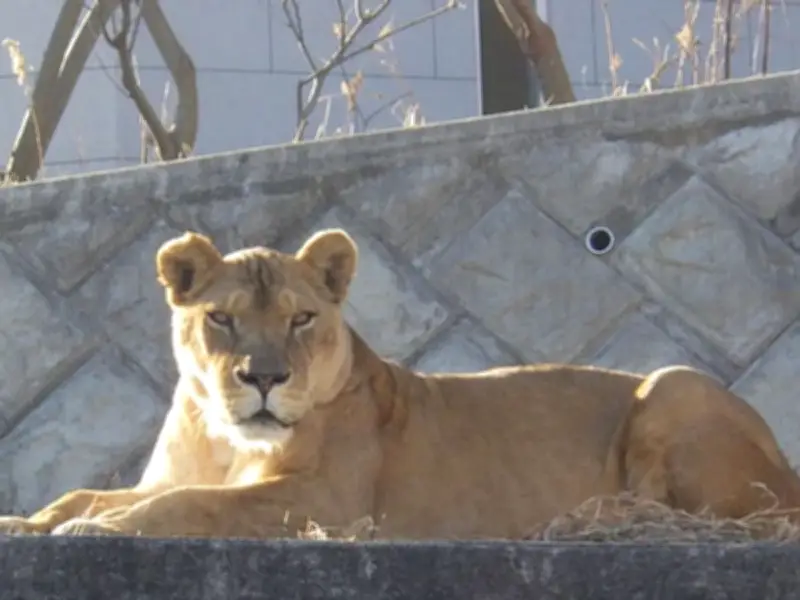
Three lionesses have died from suspected heatstroke at Tama Zoological Park in Tokyo, where temperatures have soared to 40C, sparking warnings that UK zoo animals could face similar risks during extreme heatwaves.
Since mid-July, 10 out of 16 lions at the zoo have shown severe symptoms including loss of appetite and extreme lethargy. Keepers used industrial fans, water sprays, and intravenous fluids to try to save the pride, but 15-year-old Luena, 11-year-old Ichigo, and three-year-old Mugi died.
Heat and Humidity
A zoo spokeswoman said: "According to our veterinarian, the cause of the deaths is suspected to be heatstroke as dehydration and multiple organ failure were observed." She added: "Even though lions are thought to be resistant to heat, zoo keepers have been strengthening countermeasures to cope with Japan's summer heat in recent years. Heat here comes with high humidity – that is different from heat with dry air in Africa."
The tragedy has raised concerns among animal welfare experts, who warn British zoos must not be complacent as global temperatures rise.
Expert Warnings
Samantha Ward, Professor of Zoo Animal Welfare and Legislation at Nottingham Trent University, told the Daily Mail: "I do not think UK zoos should assume that traditionally 'warm-climate' species will automatically cope with British heatwaves." She explained that high humidity, limited space, and rapid temperature spikes severely impact big cats. "Lions do not sweat effectively like humans," she said. "They rely heavily on behavioural strategies, respiratory cooling (panting), shade-seeking and reducing activity. When humidity is high, evaporative cooling becomes less effective."
She noted that captive-born lions lack experience with extreme climates, adding: "It's also worth noting that these lions have never experienced 'the wild' and African temperatures, therefore although their physiology is built for heat, if the lions are not used to it, especially with rapid spikes in temperature this could also cause problems."
UK Zoos Urged to Adapt
Professor Ward warned that UK facilities must adapt quickly. "UK zoos may face a particular challenge because many facilities were designed around a relatively temperate climate. Historically, far more attention was given to preventing cold stress than extreme heat."
Dr Paul Rose, from the Centre for Research in Animal Behaviour at Exeter University, said he would be surprised to see a healthy adult lion die in the UK, but warned older animals and cubs remain vulnerable. He said: "Animals that live at good zoos in the UK will receive extra care in hot weather. We are prepared for such scenarios in zoos and keepers work hard to ensure that animals are kept comfortable."
Tama Zoo has since upgraded its emergency measures by installing spot air conditioners, extra ventilation, and water misters to protect the remaining pride.