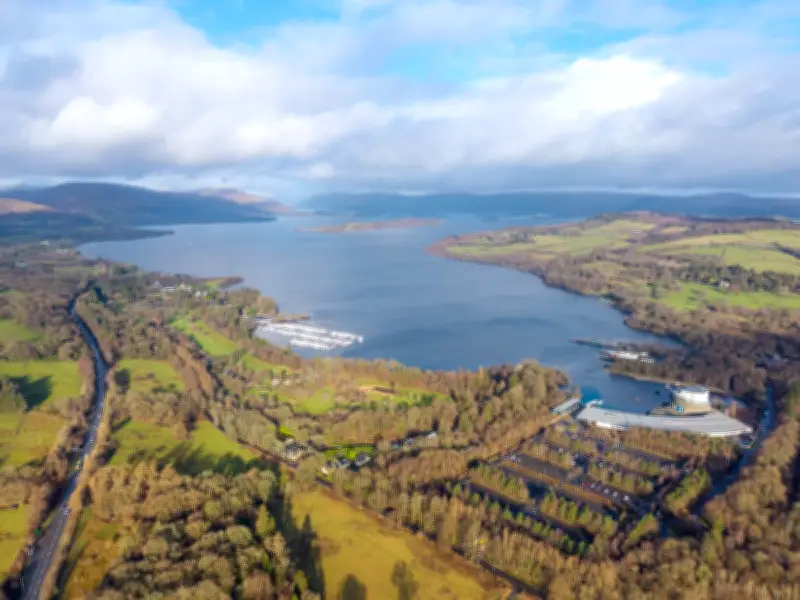
New proposals that would criminalise threatening or abusive behaviour towards rangers in Loch Lomond and the Trossachs National Park are now open for public consultation. The measures are part of a scheduled ten-year review of the park's camping byelaws, first introduced in 2017 to protect one of Scotland's most treasured landscapes.
Five Priority Areas Identified
The National Park Authority has identified five priority areas for the review, including fire and barbecue use, the growing presence of camper vans and motorhomes, and appropriate protections for frontline rangers. The proposed changes would give the Park Authority strengthened fire restrictions in response to increased camping visits, requiring fires to be raised off the ground in a contained vessel and extinguished if requested by a ranger during periods of high wildfire risk.
Another key addition would make it a specific offence to “threaten, abuse or behave aggressively” towards rangers. In its submission, the Park Authority states: “While the great majority of campers engage positively with staff, recorded instances of aggressive behaviour have more than doubled since 2021, a trend reflected in many other public-facing roles across Scotland. Including this provision within the byelaws would provide staff with clearer protection, enable more efficient enforcement and use of public resources.”

Public Consultation Details
The public consultation runs for 12 weeks until September 21. People can share their views online at lochlomond-trossachs.org/campingreviewstory or in person using printed copies available at National Park visitor centres, campsites, and local libraries.
Kenny Auld, Head of Visitor Services at the LLTNPA, said: “This review marks nearly 10 years since the Camping Management Byelaws were introduced. That decision proved controversial for some at the time, but it came out of necessity and reflected our remit as a National Park Authority to balance public access and enjoyment while protecting the natural environment we all care deeply about. Our role is to demonstrate that people and nature can thrive together, but that sometimes means making difficult decisions, testing new approaches and being willing to learn from them. We’re not claiming the byelaws have solved every issue. Positive progress has been made but we recognise that some pressures persist. This review is our opportunity to ensure the byelaws continue to evolve, remaining effective, fair, and fit for a changing landscape, a changing climate and changing behaviours.”
Positive Impact of Byelaws
The LLTNPA has emphasised the positive impact of the byelaws since their introduction, with satisfaction scores of around 90 per cent from approximately 300,000 visitors in permit areas and campsites. Complaints about camping have fallen dramatically, from 324 in 2017 to just 40 in 2025. Only nine per cent of tents recorded by rangers in Camping Management Zones have been outside permit areas or campsites, and just nine complaints about camping outside the zones have been received since 2017.
David Fraser, a Loch Lomondside business owner and member of East Loch Lomond Community Trust, said: “My family and I remember the situation here in Balmaha on the banks of Loch Lomond prior to the byelaws being introduced, and it was dire for all concerned. Anti-social behaviour, damage to the local landscape and related negative impacts meant that, as a local resident and business owner, something absolutely needed to be done to stop the situation getting completely out of control. We supported the byelaws when they were introduced, and ten years on feel they have genuinely made a massive positive difference to locals and visitors from Scotland and further afield. We continue to support them today but welcome the opportunity for this review to ensure they remain fit for purpose.”