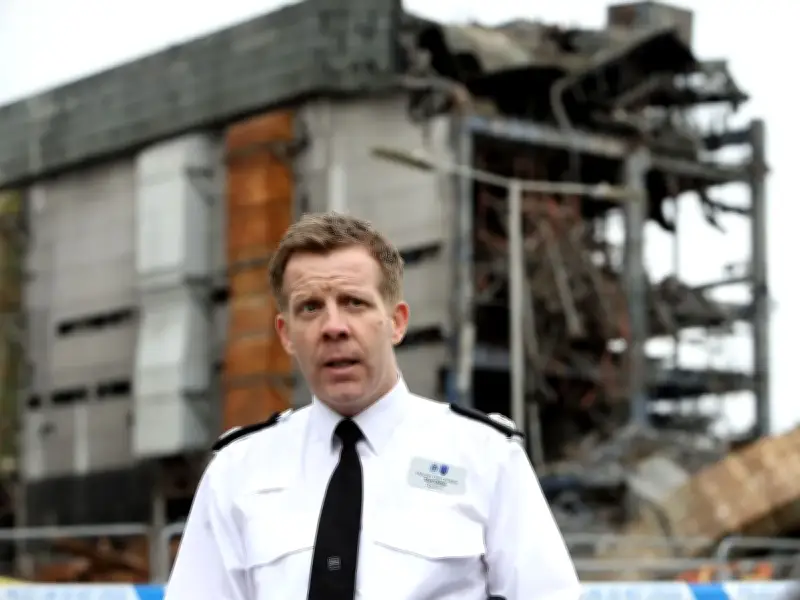
A misconduct tribunal has ruled that former Hampshire and Isle of Wight Constabulary chief constable Scott Chilton displayed a "sense of entitlement", "dishonesty and lack of integrity" by having sexual relationships with two junior officers, including engaging in sexual activity while on duty and on call to respond to any major incident.
Scott Chilton stepped down from his senior position in April 2025, following the emergence of allegations concerning workplace relationships with two colleagues identified as officers A and B.
Tribunal findings on the two affairs
The panel at the misconduct hearing in Eastleigh concluded the 53-year-old had breached four charges stemming from the two affairs. They determined he had conducted a sexual relationship with Officer A between 2008 and 2012 while serving as a superintendent, repeatedly failed to declare it and participated in sexual activity during working hours.
They also concluded he misused his authority for sexual purposes by pursuing the relationship with Officer B and once again repeatedly failing to report it.
Chairwoman's remarks on conduct
Chairwoman Michelle Skeer, from His Majesty's Inspectorate of Constabulary and Fire & Rescue Services, said Mr Chilton's conduct constituted gross misconduct on each of the charges. She said: "Former chief constable (FCC) Chilton's behaviour showed persistent dishonesty and lack of integrity."
She said he had behaved in a "domineering" manner towards his colleagues in an attempt to "control the narrative" regarding responses to media enquiries about the allegations. She said: "The panel concluded that FCC Chilton's behaviour was intentional, deliberate and planned."
She added: "He was in the highest position of trust as the most senior officer in the constabulary and ought to have known the foreseeable risk of harm by having a covert relationship. He repeatedly lied by act and omission about both his relationships with Officer A and Officer B and he knew that this was wrong."
Details of the relationships
Ms Skeer revealed that Mr Chilton had tried to "bully" Officer B into "keeping quiet" by demanding she "delete and double delete" their messages and avoid events his wife would attend, highlighting the "power imbalance" between them.
The chairwoman also disclosed that Mr Chilton had engaged in sexual activity with Officer A while on duty and in silver command, meaning he would have been the commanding officer should a major incident have occurred. She stated: "The panel was without doubt that a member of the public would find it wholly unacceptable that while on duty he engaged in sexual activity, his actions brought Hampshire Constabulary into disrepute."
Ms Skeer further added that "his actions were driven by his own entitlement", and the "abuse of his position was for personal gain and ultimately his own sexual gratification".
John Beggs KC, representing the appropriate authority, the Office of the Hampshire and Isle of Wight Police and Crime Commissioner, revealed that the allegations against Mr Chilton emerged following disciplinary proceedings against former detective chief inspector Roger Wood in February 2025. He had claimed during his hearing that the chief constable "has had affairs".
Mr Beggs explained that Mr Wood had exchanged messages with Officer A, where they discussed her relationship with Mr Chilton, who was jokingly referred to as the "earl of terracotta". He said Mr Wood wrote: "It's just agonising that Scott Chilton earl of terracotta can shag on duty, say I've done nowt wrong and have a giggle about it but does nothing to intervene in this madness."
Response from the former chief constable
The former chief constable, who did not appear at the tribunal and had no legal representation, admitted in a statement to having a relationship with Officer B but "strongly disputed" any involvement with Officer A. He stated: "I fully accept that my actions in not disclosing that relationship fell short of the standards that police officers are judged by."
He added: "These were personal matters, rather than issues affecting policing or public safety, and at no point did this relationship influence policing decisions, operational matters, or the discharge of professional responsibilities. I strongly dispute some of the issues raised by this investigation, but resolution was required. However, I regret the embarrassment and distraction this has caused."