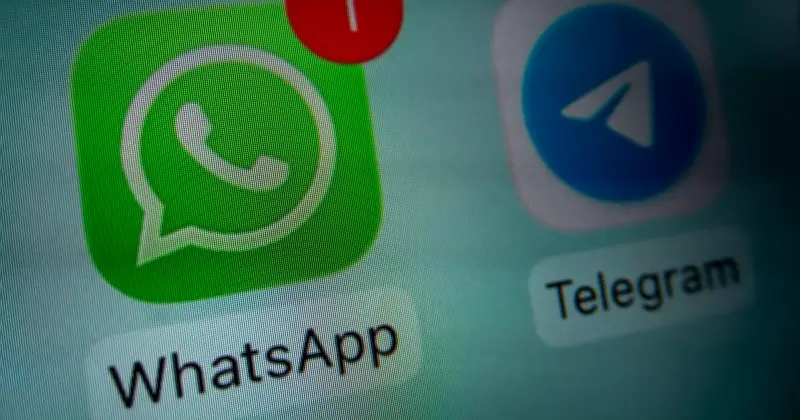
UK WhatsApp users have been warned not to engage with certain scam calls after a spike in reports was identified. The Information Commissioner's Office (ICO) received more than 3,600 complaints about automated calls in September, marking a five-year high and nearly three times the number recorded in July.
What the scam involves
According to the ICO, these calls feature recorded voices that ask the recipient to 'add them on WhatsApp', which then leads to a recruitment scam. The calls typically appear to come from a British phone number, making people more likely to answer them.
Simon Fell, from the Communications Crime Strategy Group, told the BBC: "They would either put you through to a fake job listing, which might involve some form of money muling."
He added: "It could look like a completely legitimate job, or something ad hoc, but they might pass criminal funds through your account, which can lead to terrible consequences."
Investigation and response
Andy Curry, the ICO's head of criminal investigations, told the BBC he believed the calls were coming from abroad. "We are trying to find who is behind this, why they're doing it, and the impact it's having on members of the public," he said.
Curry added: "We think there are probably millions of people who are receiving these messages, which appear to us to be largely indiscriminate. I've had them, my colleague who's leading the investigation has had them. It's likely to be the tip of the iceberg."
Fell said they were liaising with Meta, the company that owns WhatsApp. A WhatsApp spokesman said features were in place to protect users, including silencing calls from unknown numbers and banning millions of accounts each year for "malicious behaviours".
Official advice
OFGEM warned that "these kinds of scam calls are intended to encourage you to call back the number the scammer is using". Its advice reads: "When they've got people on the phone, criminals try to manipulate or pressure them into giving out sensitive information or making payments to accounts they control. You could also run up a large bill by unknowingly calling a premium-rate number."
OFGEM added: "If you receive one of these calls, hang up, don't give out any personal details, and report the call to 7726."