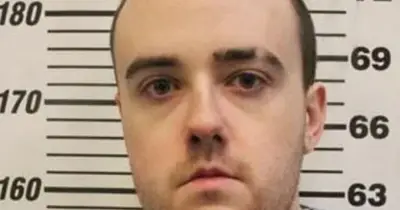
A solicitor has been sentenced for defrauding a cancer charity out of thousands of pounds by submitting false invoices for work he had not carried out as part of a will writing scheme. Michael Fogg, 47, of Cyncoed, Cardiff, offered his services to Cancer Research UK's free will writing service, invoicing the charity for his work. The charity launched an investigation after emails and addresses for clients were found to be non-existent.
Investigation Uncovers False Claims
Fogg's company, Trusting Willpower Ltd, joined the free will service in 2021. On July 6, 2023, Cancer Research UK legal partnership manager Kelly Brooks raised concerns to counter fraud manager Phil Sapey about the defendant's services. The charity provides thank you cards to members who pledge more than £100 to Cancer Research UK in their will, but alarm bells rang when 32 cards were sent out to individuals that Fogg said he had drafted wills for. Some of the people who received cards responded to say they had not had wills drafted by Fogg.
Emails were sent to Fogg asking for an explanation, and he responded saying he had received instructions to prepare wills on behalf of the individuals referred to. Trusting Willpower Ltd invoiced Cancer Research UK for £29,090, and the charity had paid £18,150 to the company but withheld the rest of the payments until clarification had been received.
Evidence of Fraud
Ms Brooks sent 250 emails to individuals which Trusting Willpower Ltd claimed they had written wills for, but 58 of the emails were undeliverable, suggesting they were invalid. Nine people responded saying they had not used Fogg's services to draft a will and were not living at the address provided. Further investigations by the charity led to further attempts to contact clients in respect of 260 wills. Eight people responded saying they had used the defendant's services to write a will, but 41 people responded saying they had not used his services. The court heard 172 clients were found to have invalid phone numbers and 38 people had invalid email addresses.
The matter was reported to the police, and Fogg was arrested, but in his police interview he denied defrauding the charity and answered "no comment" to questions. Prosecutor Charles Arches said the total fraud was based on 40 invoices and amounted to £4,800. The prosecutor said the defendant's behaviour amounted to an "abuse of trust and responsibility" as a solicitor.
Court Proceedings and Sentencing
Fogg, of Heath Halt Road, Cyncoed, later pleaded guilty to fraud by false representation. The court heard he is of previous good character. In a victim personal statement, Mr Sapey said Cancer Research UK receives no benefit from the free will service, and the false claims made by Fogg represented funds that would have been used towards curing cancer and providing support to people diagnosed with cancer.
In mitigation, James Tucker said the work of Cancer Research UK should be "applauded" and his client should and does feel "deeply ashamed" of his behaviour. The barrister said the defendant is a family man and a parent, with a number of health issues including a brain injury, epilepsy, anxiety and depression. The defendant no longer works as a solicitor.
Sentencing, Judge Carl Harrison said: "You had a position in the legal profession which allowed you to fund your greed." Fogg was sentenced to 10 months imprisonment, suspended for two years, and was also ordered to carry out a 24-day rehabilitation activity requirement and 120 hours unpaid work.
Detective Constable Thomas Connick, of Tarian ROCU, said: "As a solicitor, Fogg was entrusted to act with honesty, integrity and professionalism. Instead he abused that position of trust by submitting false claims and receiving payment for work that had never been carried out. This was a deliberate fraud committed for personal financial gain, with the victim being a charity that relies on public generosity and donations to fund vital cancer research." He added: "I would like to thank Cancer Research UK for their support throughout this investigation. Their diligence in identifying concerns and reporting them ensured that this offending was uncovered."