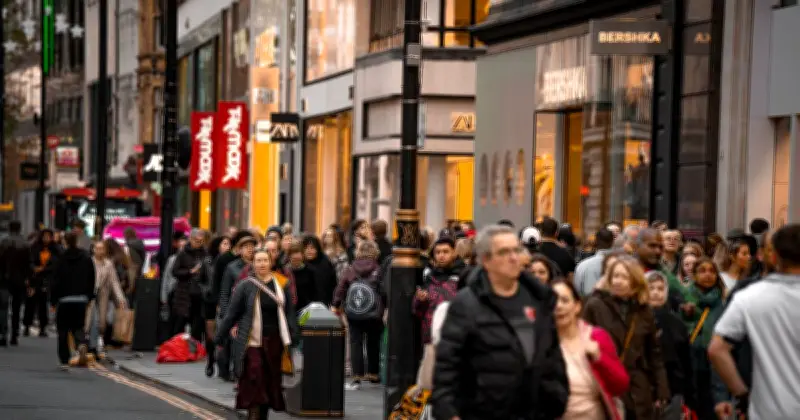
More than 3,000 suspected shell companies have been exploiting British high streets, with a potential £464 million in dirty money flooding through hair salons, barbershops, and corner shops, research claims.
A study by anti-money-laundering technology provider SmartSearch analysed Companies House records from 2016 to 2026, flagging 3,097 dissolved businesses for patterns of registration and closure inconsistent with commercial activity in their sectors. Alongside figures published by the National Crime Agency and the National Economic Crime Centre, the sum moved through these firms could be between £310 million and £464 million.
Cash-heavy industries under scrutiny
When factoring in other cash-heavy industries such as car washes, nail bars and phone shops, which were also highlighted in the 2025 National Risk Assessment, the total over the past decade likely exceeds £1 billion.

It was found that these sorts of establishments survived an average of 170 to 194 days in business, significantly less than the average of nearly five years on the register for dissolved UK companies. Around 83% of hairdressing-related firms and 92% of convenience store entries were set up in the first or second quarter of the year, with more than half ceasing trade in the final quarter.
Patterns of exploitation
According to SmartSearch analysis, the funds moving through the kinds of suspected shell companies identified are linked to drug trafficking, exploitation, fraud and other serious criminal activity.
Phil Cotter, the chief executive of SmartSearch, said: "This is not a story about small businesses failing. It is a story about patterns that suggest a repeatable model of exploitation operating openly across UK high streets, and accelerating faster than the regulatory response has been able to catch."
While Companies House has done meaningful work since the Economic Crime and Corporate Transparency Act took effect, Mr Cotter highlighted that the register continued to uncover patterns suggesting that criminal activity is outpacing any positive changes.
Regulatory response
Mr Cotter added: "The direction of policy is right. The volume and speed of the response now needs to match the volume and speed of what the data still shows. The system isn't standing still, and Companies House has done more than most people realise. But the data suggests the underlying model of exploitation is more entrenched, more systematic, and moving faster than even the current pace of reform has been able to catch."
Companies House has made significant changes under the powers granted by the 2023 Act. In the year to March 2026, it revoked 151,000 registered office addresses from the register, removed 119,000 officer addresses and 95,200 addresses linked to persons of significant control, and redacted 77,900 incorporation documents.
More than 158,000 companies were subject to compliance action during that period. Mandatory identity verification for incoming directors and persons of significant control became a requirement on November 18, 2025, with 3.81 million personal codes issued to date.