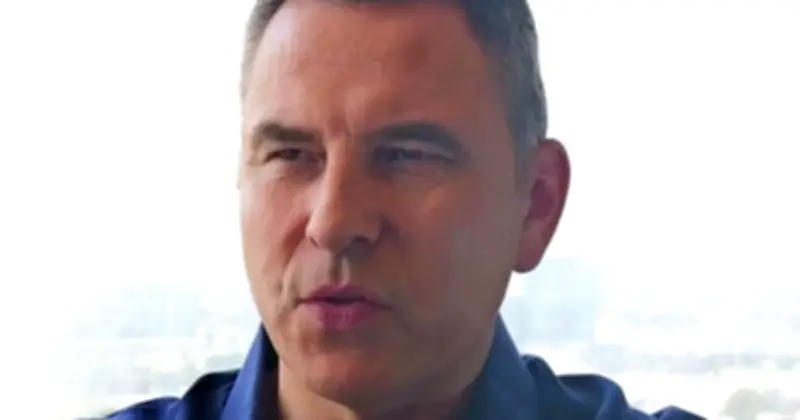
More than 100 applications for privacy injunctions have been made in the past decade, with celebrities and other high-profile figures continuing to turn to the courts to prevent details of their private lives from becoming public. The figures, released by the Ministry of Justice, have come under renewed scrutiny following David Walliams' unsuccessful attempt to prevent allegations about his behaviour from being reported.
Walliams denies all allegations of wrongdoing, including any criminal activity, and says he is "not a sexual predator". A judge rejected the comedian's application, and he has since faced public allegations concerning girls as young as 15, which he strongly denies.
Figures show rise in injunction applications
Since 2016, there have been 111 applications for new interim privacy injunctions, alongside 16 hearings concerning final injunctions and 43 relating to the continuation or variation of existing orders. As the figures only cover the past decade, the true number of cases over a longer period is likely to be considerably higher.
Among those reportedly protected by an injunction is another well-known male celebrity accused of having multiple alleged victims. Justine Smith, of Private Eye magazine, previously revealed that the unnamed star had secured an order several months ago.
High-profile cases range from misconduct to infidelity
While some injunctions have been sought to prevent allegations about sexual misconduct from becoming public, many high-profile cases have centred on alleged infidelity. One of the most unusual involved the unnamed figure known as PJS, a married celebrity who sought to prevent reports about an alleged threesome with a couple in a paddling pool filled with olive oil.
Lower courts initially refused to grant him an injunction, arguing that the alleged infidelity conflicted with his public image of marital commitment. However, the Supreme Court subsequently overturned that decision and ruled in his favour, meaning his identity remains protected from publication in England and Wales.
Former Chelsea captain John Terry also found himself at the centre of an injunction battle in 2010 after seeking to prevent newspapers from reporting on an alleged affair with Vanessa Perroncel, the former partner of his teammate Wayne Bridge. The order was subsequently overturned by a judge, who concluded Terry was more concerned about protecting his lucrative sponsorship deals than his family's privacy.
Broadcaster Andrew Marr secured a High Court injunction in January 2008 to suppress reports of a relationship with a fellow journalist five years earlier. Marr believed he had fathered a child with the woman and made maintenance payments until a DNA test established he was not the girl's biological father.
Former Manchester United footballer Ryan Giggs also obtained an injunction in 2011 to prevent reports about his alleged affair with model Imogen Thomas. His identity was eventually exposed following a Twitter campaign, with Liberal Democrat MP John Hemming naming him in Parliament.
NDAs face renewed scrutiny
Cases involving David Walliams and Russell Brand have also reignited debate over the extent to which wealthy and high-profile individuals can use the courts to protect their reputations and keep allegations out of the public domain. The controversy has also brought renewed scrutiny to the entertainment industry's use of non-disclosure agreements (NDAs), particularly in the wake of Brand's recent imprisonment.
Celebrity make-up artist Lou Teasdale has spoken out about what she claims is a culture in which women working around famous men are routinely asked to sign NDAs and surrender their phones. The stylist, whose celebrity clients have included members of One Direction, shared her concerns in an Instagram post. She stressed that she was not accusing any of the people she had worked with of wrongdoing, but said the arrangements raised wider questions about women's safety.
"I'm talking about a culture that exists and is completely legal that treats a celebrity man's privacy as more important than a woman's safety," she said. "How can a man be expected to behave with any accountability when there is an agreement in place beforehand to remove the woman's voice and the device that would keep her safe?"
Her comments came as media minister Ian Murray gave evidence to the Digital, Culture, Media and Sport Committee. He said he was "deeply saddened and also angry" by the prevalence of abuse by men in the media industry, describing NDAs as "a major part of the problem."