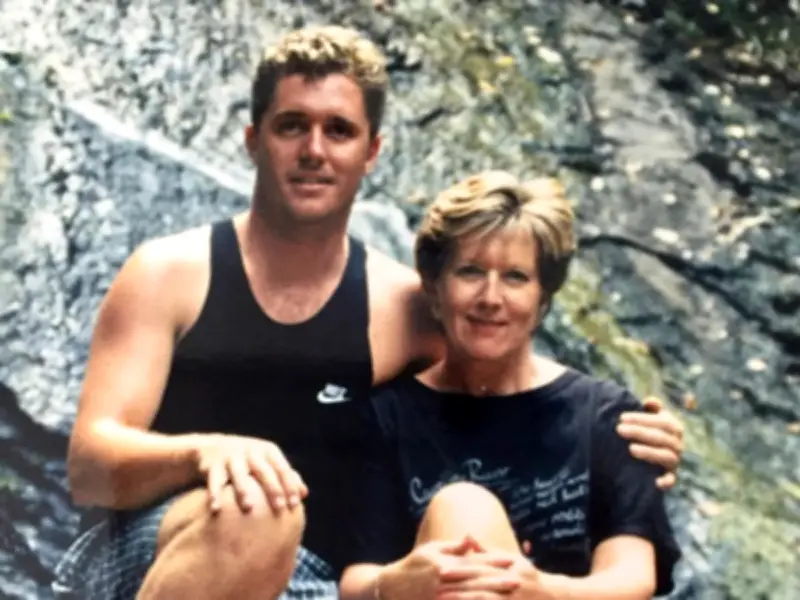
Jill Killington was in floods of tears as Prime Minister Keir Starmer issued an apology to victims of the forced adoption scandal. At 17, she was coerced into giving up her newborn son because he was born out of wedlock. Now 76, Jill spent most of her adult life wracked with guilt and shame that was never hers to carry.
Starmer's Apology to 185,000 Mothers
On Thursday, Keir Starmer addressed 185,000 women in England and Wales – most of them unmarried teenagers – who, between 1949 and the introduction of the Adoption Act in 1976, were pressured into giving up their babies for adoption. The outgoing PM called the scandal a 'stain on our history' and made it clear it should have never happened. Addressing the affected mothers, he said: 'The shame is not yours. The shame was never yours. The shame is ours. And I say that on behalf of the whole country, I say it to every single person impacted, we are deeply and profoundly sorry.'
Hearing Starmer's words of accountability flooded Jill with emotion. 'I spent so many years thinking it was my fault (for getting pregnant),' Jill bravely tells the Mirror. 'Then losing your baby as well. For so long the guilt and shame was on me, I'd brought shame to my family.'
A Christmas Eve Separation
On December 24, 1967, Jill had to say goodbye to her 10-day-old son Ian Pritchard, now 58. Instead of tucking him up ready for the joys of Christmas, she cried herself to sleep. As a young unmarried woman, keeping him was out of the question. He was taken away by foster carers to be put up for adoption. 'There was a terrible stigma around illegitimacy,' Jill explains. 'My parents took me to see the GP and he told me that, as I was single, my baby should be adopted. Nobody asked me what I wanted. I felt absolutely powerless.'
Campaigning for Justice
After 10 years of campaigning along with many other mothers, justice has finally come. Describing the mood in Parliament as Starmer delivered his speech, Jill says: 'People were quietly sobbing in the gallery it was very emotional. The words Starmer spoke were very sincere, it was so compassionate and it really got to me, it triggered me to tears when he said the shame is on the government, not the mothers.'
A Letter That Changed Everything
At the time of the adoption, Jill was asked to sign a form to say she wouldn't contact him, but when the law changed in 1976, she added her name to the National Adoption Register. Finally, in 1994 – 27 years after she gave birth – a letter arrived. 'I suppose there's no easy way to say this, but I think I'm your son and you're my mother,' Ian wrote. Ian had moved to New Zealand with his adoptive family when he was six and had been trying to find his birth mum for years. After months of correspondence, in December 1994 they met in New Zealand. Jill says: 'It was amazing – I could see him rushing to greet me and we hugged for ages.'
Long-Term Impact on Son
Over the last 30 years, Jill and Ian have formed a strong bond. But he struggled to cope growing up because he felt like he didn't belong. 'I ran away from home from an early age,' Ian says. 'By the time I was 18, I was diagnosed as a chronic alcoholic and by 20 I had been in and out of detox. There's no question that being adopted made it difficult living in my skin.' Ian sympathises with his mum, but made clear he's angry at the government for their failures. Speaking to us in 2024, he said: 'Jill should have been given the support she needed to raise her child. But instead they took her baby away from her on Christmas Eve, while families around her were celebrating the festivities and singing Silent Night – it's just appalling.'
Government Inquiry and Apology
In 2022, the Joint Committee on Human Rights conducted an inquiry into forced adoption practices and concluded that mothers were subject to cruel and inhumane treatment and that they and their children suffered long-term effects. Despite the committee calling on the Government to make a formal apology and to put in place appropriate support services, that apology never came until now. During his speech, Starmer said: 'To the mothers who were told they were unfit who were prevented from caring for the children they desperately wanted to help and to keep and who have carried this loss for decades. It should never have happened. And you should not have had to fight for this day to come. But today, finally, I do say on behalf of the State – and on behalf of the nation as a whole – We see you. We hear you. And we are truly sorry.'
'People say to leave it in the past as the adoption was years ago, but we carry our past into the future, we just learn to live with it,' Jill says. 'All of these emotions just came pouring out this week and I feel greatly relieved.'