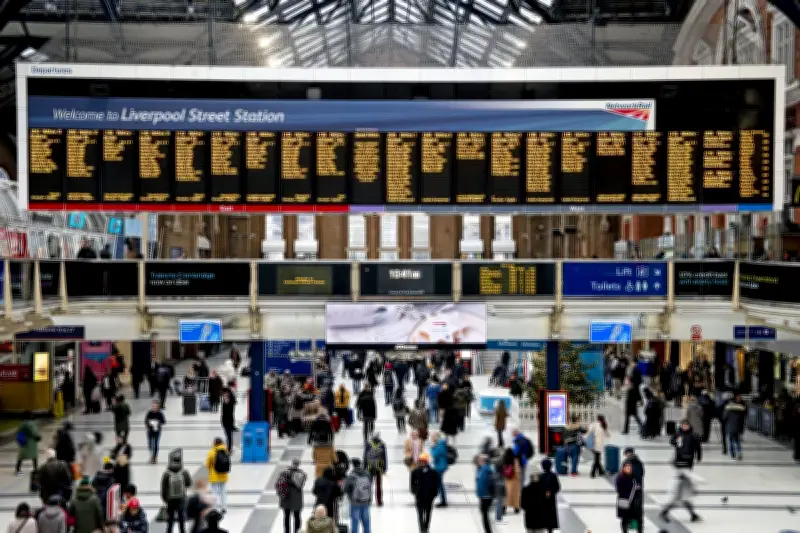
London Liverpool Street has been confirmed as Britain's busiest railway station for the fourth consecutive year, with 102.7 million entries and exits recorded in the year to the end of March, according to new figures from the Office of Rail and Road (ORR).
The central London station's total rose from 98 million the previous year, making it the first station in British history to surpass 100 million entries and exits in a single year, the regulator said.
Elizabeth line drives growth
Liverpool Street first replaced Waterloo as the country's busiest station in the year to the end of March 2023 and has held the title since. The ORR attributed a “large increase” in usage to the opening of the central section of the Elizabeth line in 2022, which runs from London Paddington to Abbey Wood.
Five of the ten busiest stations in the country are served by the Elizabeth line: London Liverpool Street, London Paddington, Tottenham Court Road, Farringdon and Bond Street.
Top stations across Britain
London Paddington ranked second busiest in 2025/2026 with 72.9 million entries and exits, up from third the previous year. London Waterloo was third with 71.6 million, followed by Tottenham Court Road (67.2 million) and London Bridge (57 million).
Outside the capital, Birmingham New Street was the most used station with 38.8 million entries and exits, ahead of Leeds (28 million) and Manchester Piccadilly (26.6 million). Glasgow Central was the busiest in Scotland with 25.1 million, while Cardiff Central led in Wales with 12.9 million.
Quietest station and redevelopment plans
Reddish South in Greater Manchester was the least used station open that year, recording just 94 entries and exits, down from 102 the previous year. It is served by Northern Trains on the Stockport-Stalybridge line, with one service per week in each direction.
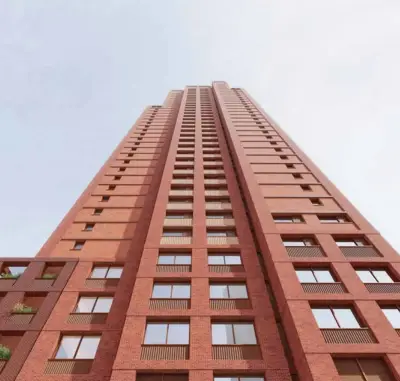
In February, plans to redevelop London Liverpool Street station were granted planning permission. Network Rail said the £1.2 billion project, approved by the City of London planning committee, involves building a mixed-use 97-metre (318ft) tower block over the concourse, increasing overall capacity by 76% and improving step-free access to all platforms.
Actor Griff Rhys Jones, president of the Victorian Society and the Liverpool Street Station Campaign, previously criticised the proposals, saying they would “destroy an existing conservation area”.
Graham Richards, ORR's director of planning and performance, said: “Liverpool Street becoming the first station to exceed 100 million entries and exits in a single year is a significant milestone for Britain's railway.” He noted increases at major stations outside London, including Birmingham New Street, Glasgow Queen Street and Cardiff Central, following a 6% rise in journeys across Great Britain in the year April 2025 to March 2026.
Dan Mann, co-chief executive officer of Rail Delivery Group, said it was “encouraging” to see more people choosing rail travel, adding that growth benefits communities, local economies and the environment, and that the industry is working towards a simpler, more reliable railway under Great British Railways.