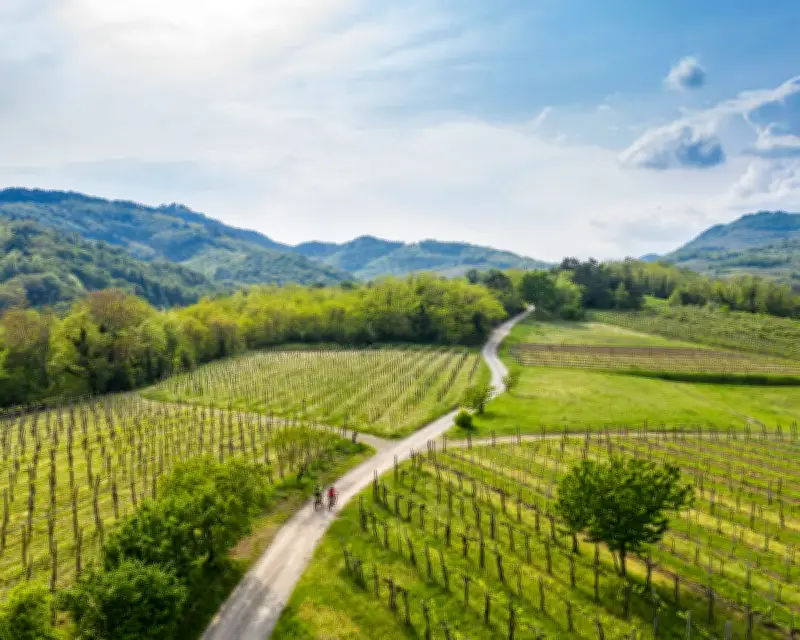
Slovenia's Vipava Valley has emerged as a standout example of slow travel, drawing visitors with its unspoiled landscapes, cycling routes, and farm-to-table dining. The region, once overlooked, now sees a steady stream of tourists seeking a more deliberate pace.
From Obscurity to Destination
Ten years ago, the valley was a quiet agricultural area with few accommodations. Today, it boasts a network of cycling and hiking trails that connect villages, vineyards, and historical sites. Local officials attribute the growth to a grassroots effort that prioritized quality over quantity.
Local Initiatives Lead the Way
Key to the transformation were community-led projects, such as the restoration of old stone paths and the establishment of small guesthouses. These initiatives, supported by EU funding, have kept tourism manageable while boosting the local economy. "We wanted to share our home without losing it," said a local tourism board member.

Impact on the Community
The influx of visitors has brought new revenue to farmers and artisans, but it has also required careful planning to avoid overcrowding. The valley's success has inspired similar slow travel efforts across Slovenia, proving that sustainable tourism can thrive when rooted in local culture.