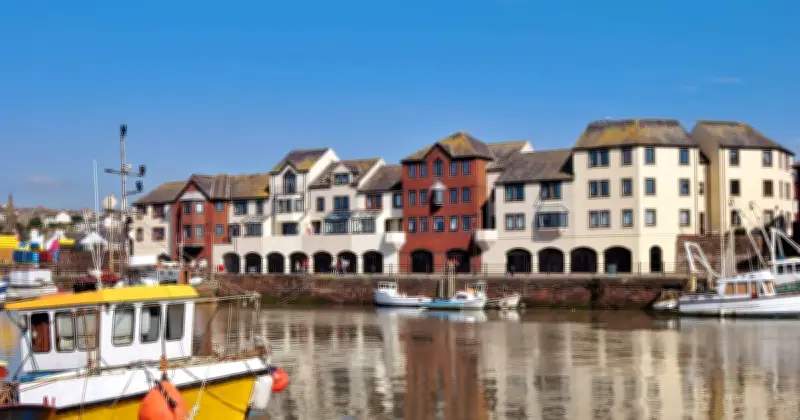
Maryport, a coastal town in West Cumbria on the shores of the Solway Firth, hides a rich history beneath its quiet seaside appearance. The town's past spans centuries of Roman military activity, Georgian town planning, coal mining, ironworking, shipbuilding and tourism.
Roman heritage and World Heritage status
Maryport's most intriguing feature is its Roman past. The town is home to the remains of a substantial Roman fort and settlement, once part of the defensive network along the Cumbrian coast and linked to the wider frontier of Hadrian's Wall. Today, the site is recognised as part of the Frontiers of the Roman Empire (Hadrian's Wall) World Heritage Site.
The Senhouse Roman Museum provides an insight into the town's ancient past, while the harbour and marina offer scenic views across the Solway Firth.

Things to do in Maryport
Families can visit the Lake District Coast Aquarium, which showcases marine life found around the Cumbrian and British coastline. The promenade is a popular spot for taking in the views and spectacular sunsets, while the historic town centre is home to a mix of Georgian and Victorian architecture.
For those who prefer to explore on foot, Maryport provides a starting point for a number of coastal walks along the West Cumbrian shoreline. Because the town faces west across the Solway Firth, it offers spectacular views as the sun sinks towards the horizon, with open water, wide skies and distant coastline creating a striking setting, particularly at sunset.
Rich history and maritime links
The town takes its name from the wife of Humphrey Senhouse, who in 1749 received Parliamentary approval to establish a new town and harbour. Maryport expanded rapidly, with Fleming Square and Georgian properties constructed as part of a carefully planned development laid out on a grid system, much like neighbouring Whitehaven.
By 1845, in excess of 300,000 tons of coal were being shipped from Maryport, alongside other imports and exports including iron ore, timber, cattle and cotton. Home to numerous master mariners, workers at Maryport's shipyards constructed 280 vessels between 1765 and 1914. White Star Line owner Thomas Henry Ismay was born in the town — his company built the ill-fated Titanic.
Maryport also boasts a connection to Mutiny on the Bounty leader Fletcher Christian, and provided a setting for Wilkie Collins's celebrated novel, The Woman in White, according to visitlakedistrict.com.
Railway transformation
The arrival of the railway proved to be a major turning point for Maryport. When the Maryport & Carlisle Railway opened in the 1840s, it created a vital link between the busy coastal port and communities further inland. The new connection made it far easier to transport coal and other goods, helping to fuel the rapid expansion of West Cumbria's industrial economy.
For Maryport, the railway was more than simply a new means of transport — it helped transform the town into an important hub for trade and industry, bringing increased activity, employment and prosperity to the area.