Two in five UK homeowners (42%) would first try to deal with a pest infestation themselves, new research from Saga Home Insurance has found, despite expert warnings that some well-intentioned DIY fixes can make the problem harder to treat. The findings come as cold weather increases the likelihood of rats and other rodents seeking warmth indoors.
While almost a third (31%) would contact a pest-control professional first, a further 14% would initially search online or on social media for advice, increasing the risk of relying on remedies that do not address why pests are present, the research found. Infestations can be seasonal, fast-moving and costly if left to develop, Saga said.
Common pests and warning signs
Ants (49%), mice (38%) and wasps or hornets (33%) are the pests homeowners have encountered most often, with rats (20%), silverfish (19%), fleas (15%) and clothes or carpet moths (14%) also reported.
Saga Home Insurance has partnered with Sophie Thorogood, technical training manager and field biologist at Pelsis and a director of the National Pest Technicians Association. She warned that sealing a rodent entry point or blocking a wasp nest before treating the infestation could force pests to find new routes and spread into other parts of the property.
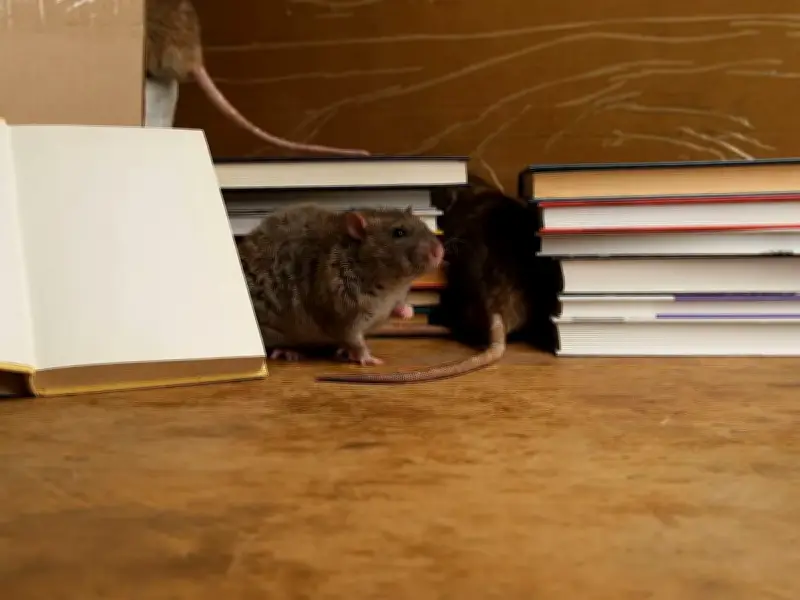
Rats and mice tend to stay hidden during the day, while pests such as bed bugs can conceal themselves in small gaps around beds and furniture. Sophie recommends acting quickly if you spot:
- Droppings in hidden areas, such as behind kitchen kickboards, in lofts or around drains
- Gnawing, damaged food packaging, or marks on wood, plastic, wires and other materials
- Scratching or movement sounds coming from walls, lofts or beneath cupboards
- Small faecal spots, cast skins or eggs around mattresses, headboards and bedside furniture
- Pets scratching more than usual, or small holes in wool, cashmere, carpets or curtains
The first 24 hours: eliminate, treat, then proof
Sophie recommended a three-step framework which can be used within the first 24 hours of a suspected infestation.
Eliminate – Remove the food, water, waste and hiding places pests rely on. This could include cleaning food spills, disposing of damaged packaging and storing household waste securely.
Treat – Use products designed for the specific pest and follow all label instructions. Contact a professional where the infestation is difficult to identify, has spread, involves protected species, or cannot be treated safely.
Proof – Once the infestation has been treated, address holes, gaps, open doors and windows to help prevent pests returning. Proofing too soon can trap pests inside or disrupt the treatment method.
She explained: "Understanding the type and scale of the problem will help you choose the right control strategy. Cockroach and bed bug infestations are much more difficult to treat because the insects can hide in cracks and crevices and multiply quickly, so professional tools and support will usually be required.
"There can sometimes be a hint of truth behind remedies shared online, but the advice is often exaggerated or taken out of context. Even where a method appears to work temporarily, it may not get to the root of the problem."
Sophie warned homeowners not to seal a rodent entry point too soon, explaining: "Rats are highly suspicious of changes to their surroundings, known as neophobia. Disrupting their usual route could make them wary of traps or poison. If an entry point is sealed while rodents are still inside, they may start damaging other parts of the building or spread into new areas to find food. The infestation should be treated first, before holes and gaps are sealed to stop pests returning.
When dealing with wasps, Sophie said: "Blocking the entrance to a wasp nest will not remove the infestation either. The wasps may instead find another route and begin appearing elsewhere in the building."
How pest problems change throughout the year
Pests can be present all year, but household risk changes with temperature, humidity, travel and the search for food and shelter.
In spring and summer, flies, ants and wasps increase as temperatures and humidity rise. Bed bug activity may also increase after summer travel. Cut back vegetation, empty and clean food-waste bins, store food securely, remove stagnant water and check for ant or wasp activity around entrances, roofs and loft spaces.
In autumn and winter, rats and mice are more likely to enter buildings seeking warmth, food and shelter. Check external walls, gaps around pipes and doors, broken vents, cracks in mortar, lofts and kitchen cupboards for droppings or gnaw marks, and keep outdoor waste secure.
Sophie said: "Before central heating became widespread, there was a decline in bed bugs over winter because it was more difficult for them to breed. Now, warm homes can support pests throughout the colder months and provide them with a refuge.
"Rats and mice are also present year-round, with higher breeding activity usually occurring during summer. However, they are more likely to enter buildings during autumn and winter in search of warmth, shelter, and food."
The insurance gap: many homeowners are unsure what help they can get
Many homeowners may be making assumptions about pest-related cover without checking their policy. Saga Home Insurance’s research found that more than one in four homeowners (27%) do not know what standard home insurance or optional home emergency cover may provide, while one in six (15%) believe standard home insurance usually covers pest removal.
Anna Thunstrom, head of home insurance at Saga, said: "Pest damage is not typically covered by standard home insurance across the market and Saga’s standard home insurance follows this approach. Saga Home Emergency, an optional add-on to our home insurance, will provide treatment for certain household pests, subject to policy terms and conditions, so customers should check their cover to understand what support is available.
"As is typical across the market, Saga Home Emergency does not cover a problem that was known to exist before the policy began or one that develops gradually over time. A small wasp nest and extensive woodworm throughout a property would be viewed very differently and so homeowners should not assume that longstanding pest damage will be covered. It is important to act as soon as a problem is identified and check the policy before arranging treatment."
Home Emergency cover typically excludes infestations outside the home (unless a nest is attached to its main structure), infestations known to exist before the policy began or that develop gradually over time, infestations discovered after the home has been unoccupied for more than 60 days, cases where reasonable hygiene measures have not been taken, and protected species listed under the policy, including bats and bees.
Anna explained: "Bats and their roosts are protected by law, including under the Conservation of Habitats and Species Regulations 2017 and the Wildlife and Countryside Act 1981, so homeowners should not attempt to disturb or remove them and should instead seek specialist advice. Bees are also a protected species and therefore Home Emergency policies will not provide cover to remove them."