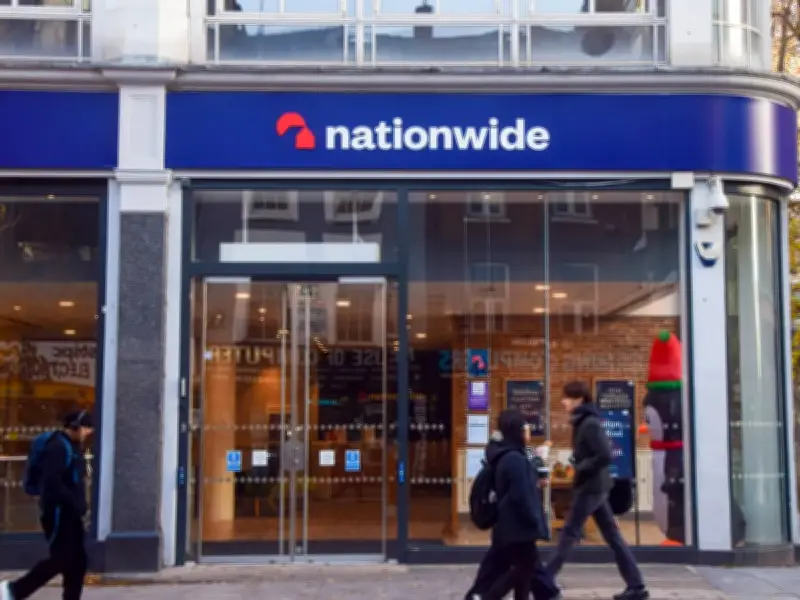
Homeowners with variable-rate mortgages from Nationwide, Lloyds and Coventry Building Society face higher payments from December 1, following the Bank of England's latest base rate rise. On November 5, the Bank of England increased its base rate from 3.75% to 4%, affecting tracker and standard variable rate mortgages.
Nationwide has confirmed its Standard Mortgage Rate will increase from 6.49% to 6.74%, while Lloyds will raise its Standard Variable Rate from 5.75% to 6%. Both changes take effect on December 1. Coventry Building Society has also announced a 0.25 percentage point increase across several variable mortgage products from the same date.
Not all lenders change on December 1
Some lenders are implementing changes on different dates. Santander, for example, will increase its tracker and standard variable rates from December 3.
Chris Hewitson, VP of credit and data at Selina Finance, has outlined five checks homeowners should make before their next mortgage payment.
Check whether your mortgage is actually affected
Chris said: "Not every homeowner will see their mortgage payment increase in December. If you're on a fixed-rate deal, your interest rate should remain unchanged until that agreement ends."
"However, borrowers on tracker or standard variable rate products could see an increase, depending on their lender and mortgage terms. The first step is to check your mortgage statement or online account to establish exactly which type of rate you're paying."
Find out when your new payment starts
Chris said: "An increase in your mortgage interest rate doesn't necessarily mean your next direct debit will change immediately. Different lenders implement changes at different times, so homeowners should check correspondence from their provider rather than assume the increase starts on December 1. Understanding your new monthly payment and when it takes effect will help you avoid unexpected pressure on your household budget."
Homeowners on a standard variable rate should consider whether another mortgage deal could offer better value, though switching isn't automatically the right decision. It's important to compare interest rates, product fees, early repayment charges and the total cost over the mortgage term, as a lower monthly repayment doesn't always mean a cheaper mortgage overall, particularly if extending the repayment period.
Review wider borrowing and speak to your lender
Chris said: "Your mortgage might not be your only borrowing commitment. If you have a secured loan or other credit repayments, it's worth reviewing how those costs fit into your overall household budget."
"Before taking on additional borrowing for renovations or other major expenses, understand how any existing and new repayments could change. Having a clear picture of your total borrowing commitments is particularly important when interest rates are changing."
If concerned about meeting a higher mortgage payment, homeowners should contact their lender as early as possible. Depending on circumstances, lenders may be able to discuss temporary support or alternative repayment arrangements. The important thing is to act before missing a payment rather than waiting until already struggling.
Chris concluded: "The December increases are a reminder that mortgage costs can change even when your own financial circumstances haven't. Homeowners should use the next few weeks to check their current rate, confirm their revised payment and review the options available. Making an informed decision now could help avoid unnecessary financial pressure heading into the new year."