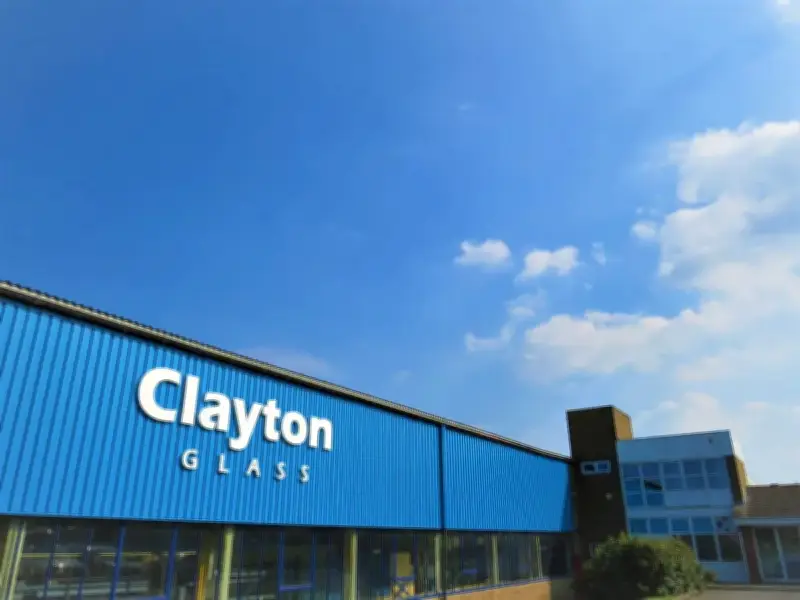
Clayton Glass, which operated the Stanley factory in County Durham, owed £7.9m to creditors when it collapsed, according to newly filed documents from administrators at Interpath.
Workers at Clayton Glass discovered they had lost their jobs on September 22, as directors brought in insolvency specialists following the collapse of Clayton Glass Limited.
Debts to HMRC and staff
The administrators' update discloses that £2.8m is owed to HMRC, with doubt surrounding whether any of that sum will ultimately be recovered. The documents also reveal the company had received a warning letter from the tax authority in August concerning approximately £1m in outstanding VAT.
An estimated £365,850 is owed to staff, who had already been informed they would not receive payment. Administrators at Interpath indicated that those employees should receive some recompense, though the precise figure is yet to be established.
Sale and site closures
With creditor pressure mounting, administrators attempted to market the business for sale, with early interest from several prospective buyers ultimately fading due to the firm's debt burden, funding demands and challenging market conditions.
In September, the company's Nottingham, Swindon, Canterbury and Dewsbury sites were acquired by the existing owner in a deal that preserved 283 jobs. However, the Stanley, Bellshill and Blackburn sites were shut down, resulting in 290 redundancies.
Administrator report
A register of hundreds of creditors — predominantly local suppliers operating within County Durham — reveals debts totalling £7.9m. Administrators have indicated that a distribution to unsecured creditors is highly unlikely.
Within their report, Interpath wrote: "The joint administrators were introduced to the board of directors in February 2026 by Santander UK Plc, the company's primary secured lender, because the company was experiencing increasing liquidity pressures. Following an initial meeting with the board, Interpath was engaged by the company and Santander under a number of separate engagements during 2026, as the company continued to face further liquidity challenges and sought additional funding support."
Despite a performance improvement programme and the implementation of operational efficiencies, the company continued to experience cash pressures. As a result, the directors concluded that an accelerated process to seek investment, refinancing or a sale should be undertaken in order to preserve value, protect employment where possible and maximise returns to creditors.
This process commenced in August 2026 and ultimately led to an administration appointment and the completion of a sale of the business.