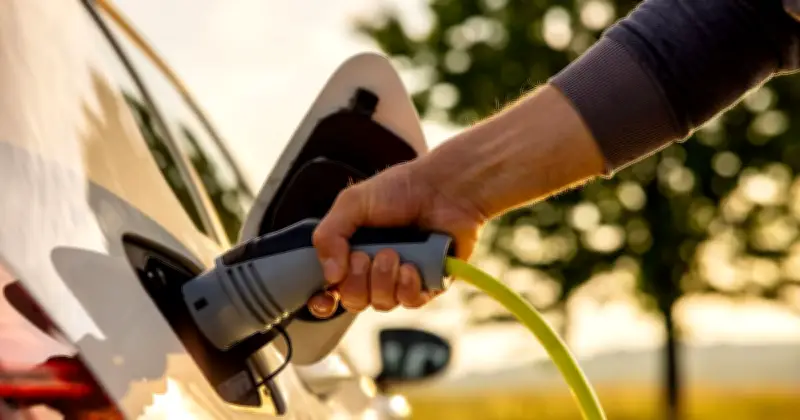
Electric vehicle owners could face higher charging bills next year, with a new report warning that prices at some public rapid chargers could rise above £1 per kWh. The increase could be particularly worrying for drivers who rely on public charging stations because they cannot charge their vehicles at home.
Charging an electric car at home is generally much cheaper, but motorists without a driveway may have little choice but to use public chargers. Now, a report by the electric-vehicle newsletter The Fast Charge and the charging operator Zest has warned that rising electricity network fees could push up prices for drivers in 2027.
Charging costs surge by more than 600%
The report found that the average fixed network charge for a standard rapid charger has jumped from £61.47 per week in 2021 to £440 per week in 2026, an increase of more than 600%. That figure is expected to rise by more than another £100 per charger per week next year.
The issue dates back to changes introduced by energy regulator Ofgem in 2022, which altered how businesses pay certain charges for using the electricity network. Under the changes, operators face fixed fees based on the size of their electricity connection, rather than simply how much power they use.
Rapid chargers need powerful connections to charge vehicles quickly, meaning companies can face large bills even when relatively few motorists use them. The report warns that some operators may need to charge more than £1 per kWh to make a profit, while others could struggle to stay in business.
Criticism from industry figures
Tom Riley, editor of The Fast Charge and author of the report, described the charges as a "feudal tax". He argued that the system was passing costs from drivers to electricity networks and could make switching to an electric car more expensive than keeping an older petrol or diesel vehicle. Mr Riley warned that the problem was particularly serious for motorists without driveways, who depend on public charging.
Robin Heap, founder and chief executive of Zest, also criticised the charges, saying the changes were never intended to "put the brakes on EV adoption". He said the financial burden was pushing up prices for drivers and delaying or abandoning charging projects that might otherwise attract investment.
Calls for urgent rule changes
The report's authors are calling for urgent changes to the rules, including moving towards charging operators more closely on how much electricity they use.
An independent Government review into the cost of public charging has also raised concerns, warning that Ofgem's changes had a "severe impact" on operators. It called on the regulator to urgently address the issue, raising concerns that the current system could work against efforts to encourage more people to switch to electric vehicles.
Documents obtained through Freedom of Information requests also showed that Ofgem had told Treasury officials in October 2025 that the policy was leading to a "high cost per customer" and an "unproductive cycle" for charging operators.
Ofgem said: "We want consumers to benefit from the transition to electric vehicles, including those who rely on public charging."
"Public charging costs reflect a range of factors, including how intensively charging infrastructure is used, as fixed costs at lower-use sites are spread across fewer charging sessions."
"Ultimately, fixed costs do have to be recovered and our priority is ensuring this happens as fairly and efficiently as possible for consumers as charging infrastructure continues to develop."
"We are considering the findings of the independent review carefully, including whether any changes may be needed."