Older basic state pensioners who receive any additional DWP pension payments will not be eligible for the tax exemption on their state pension, even if they have no other income. HM Treasury confirmed to the Express that the exemption, first promised by Rachel Reeves and now kept by Andy Burnham and his new Chancellor, will not apply to those with increments such as additional pension schemes.
Exemption scope and eligibility
The previous chancellor announced after the last Budget that state pensioners with no other income would not pay tax on their state pension payments next year. This followed fears that pensioners relying solely on DWP income would lose some pension payments to tax from April 2027, when triple lock increases are forecast to push the full new state pension above the annual £12,570 Personal Allowance threshold for the first time.
However, the state pension has always been taxable, and older pensioners who participated in now-defunct additional pension (AP) schemes are in many cases already paying tax on their pension income. Those with AP payments from the DWP will not be allowed an exemption, even if they have no other non-DWP income like private pensions or work.

Additional pension details
The additional state pension is an extra amount paid on top of the basic state pension for men born before April 6, 1951, or women born before April 6, 1953, unless they were 'contracted out' by their employer. There is no fixed amount, as it is made up of three schemes: State Second Pension (2002-2016), State Earnings Related Pension Scheme or SERPS (1978-2002), and state pension top up (October 2015 to April 2017), though it has a maximum weekly cap.
From April 6, 2026, AP payments increased to a maximum of £230.54 per week, up from £222.10, paid on top of the £184.90 basic state pension.
Government commitment
In November, Ms Reeves told Parliament: "People only in receipt of the basic or new state pension do not have to pay small amounts of tax through simple assessment from April 2027." The next day, on the Martin Lewis Money Show Live on ITV1, she confirmed that this meant pensioners would be entirely exempt from paying tax at all, if they had no other income besides the DWP state pension.
Martin asked Ms Reeves: "But people will have to pay the tax, they just won't have to do a return or will they not have to pay the tax?" Ms Reeves replied: "In this Parliament they won't have to pay the tax. Further on, I'm not able to make any commitments on that. We are looking at a simple workaround at the moment."
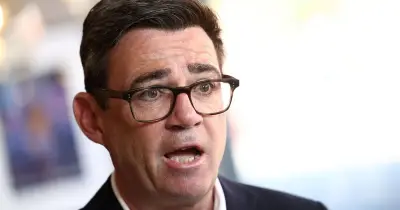
Since then, new Prime Minister Andy Burnham and new Chancellor John Healey have confirmed they will keep the exemption, with more details expected at the next Budget at the end of October. An HM Treasury spokesperson said: "Anyone whose only income is the full new or basic state pension without any increments will not pay income tax and we are committed to that over this Parliament. By keeping the triple lock, 12 million pensioners will see their income rise by up to £470 this year, and they continue to benefit from the highest Personal Allowance in the G7."