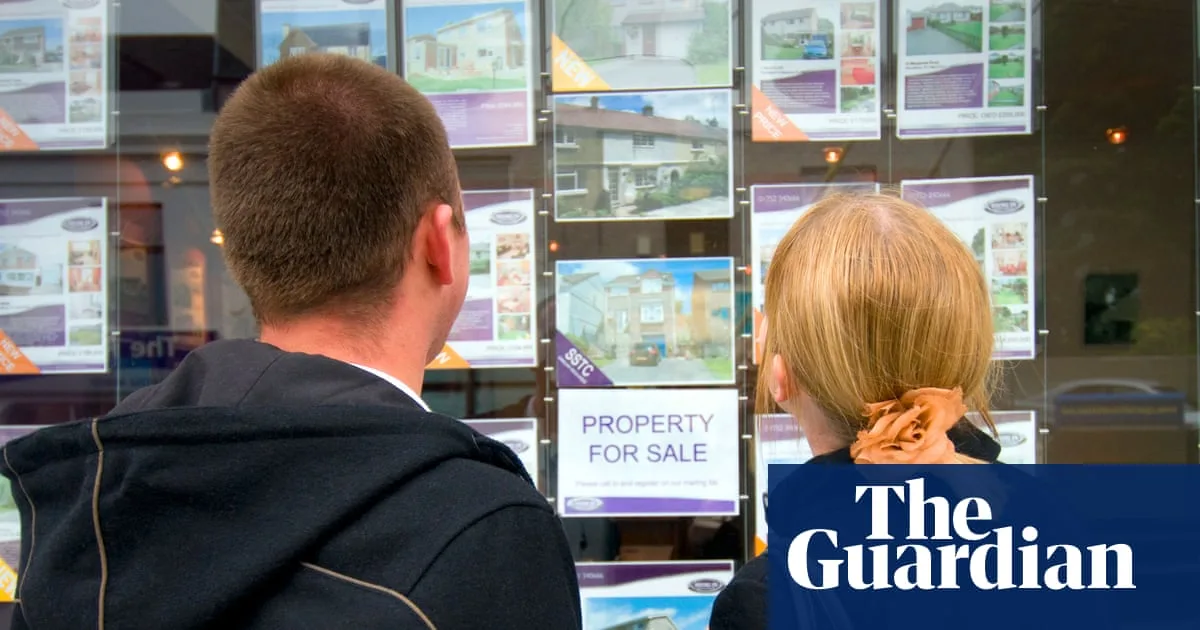
First-time buyers are expected to be the main drivers of the UK housing market in 2026, as further interest rate cuts improve affordability. Lenders and estate agents forecast that house prices will rise by 2% to 4%, while rent increases are likely to slow after rapid growth in recent years.
Monthly mortgage costs for first-time buyers as a share of income have fallen to their lowest since 2022, according to Halifax, thanks to lower mortgage rates, earnings growth outpacing inflation, and slow house price rises. The Bank of England cut rates in December to their lowest in almost three years, and economists predict two more cuts in 2026. Fixed-rate mortgages below 4% are already available, with Santander offering a two-year fix at 3.55% for a 40% deposit.
House prices rose just 1.8% in the year to November, leaving the average home at £272,998, according to Nationwide. After adjusting for inflation, prices are falling in real terms, which analysts say is positive for affordability. The market was subdued in 2025 due to the expiry of a stamp duty tax break, US tariffs, and budget uncertainty.
In London, house prices have been falling and are expected to flatline in 2026, while northern England has seen stronger growth, narrowing the north-south divide to its smallest since 2013. Mortgage rules have been relaxed, allowing smaller deposits, and the City watchdog has announced plans to help first-time buyers and self-employed people.
First-time buyers accounted for a third of all purchases in 2025, a record high, and half of all deals in London, according to Hamptons. The Renters' Rights Act has prompted some landlords to sell, often to first-time buyers. Despite a slow market—taking over 200 days to sell—the budget's 'mansion tax' on homes over £2 million was less severe than feared, boosting central London sales.