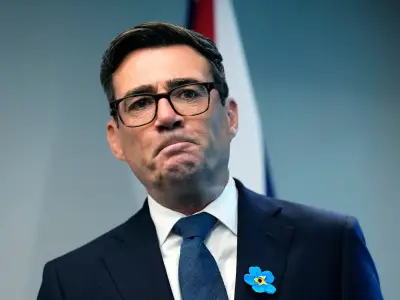
Prime Minister Andy Burnham has issued an update on his plans to tackle the cost of living crisis, saying he is reprioritising government spending but will make 'no unfunded policy promise'. In his first cabinet meeting, he told ministers they need to be a 'cost of living government'.
Mr Burnham has made major announcements in his first days as PM. He announced VAT will be removed from domestic electricity bills from October 1, and today Number 10 said single bus fares across England will be capped at £2 from January.
Reprioritising spending
Speaking to reporters in Bath, the Makerfield MP said he has 'reprioritised' how money is being spent to ease the cost of living. He cited scrapping the digital ID scheme as one area where funding was being redirected, saying he is 'taking a difficult look at some of the things that the Government was committed to'. The Office for Budget Responsibility clarified the original scheme could have totalled £1.8bn over three years.
Mr Burnham refused to commit to changing the income tax personal allowance. He said he would look at the allowance at the budget, but there is 'no commitment' and 'no unfunded promise'. Asked if tax rises were likely to pay for his cost of living policies, he replied: 'No, we’ll take decisions on tax at the budget. This is about reprioritising in this phase.'
Bus fare cap and other policies
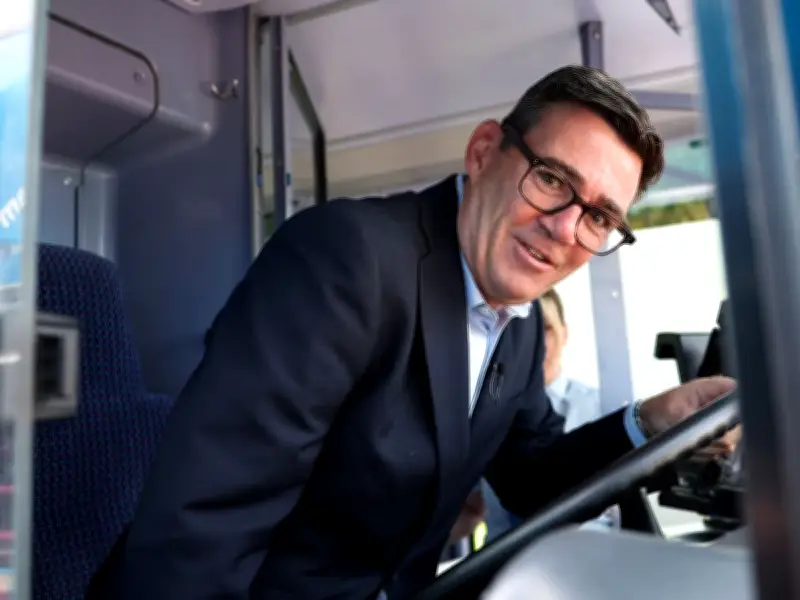
The government will cap bus fares at £2, as Mr Burnham did as Greater Manchester mayor. The nationwide cap is currently set at £3 until March 2027. He said: 'This week, the three policies I’ve announced – ending rough sleeping, the bus cap we’re announcing today and the removal of VAT off electricity bills – are all fully funded.'
When asked about suggestions he was 'bringing back Boris Johnson’s policy', Mr Burnham insisted: 'It was actually my policy originally as mayor of Greater Manchester, but I worked with Boris to take it national.' He added the policy will be in place for the whole of 2027.
NATO commitment
Mr Burnham said he and Chancellor John Healey will honour the UK’s commitments to Nato, including the agreement to allocate 3.5% of GDP to defence spending. He said: 'We want to send a very clear message as Prime Minister and Chancellor to our international colleagues that we will honour the commitments we’ve made as part of Nato to defence.'