Household energy debt in Britain has soared to a record £6bn by the end of June, driven by the consequences of Donald Trump’s war on Iran, and is expected to reach £7bn by the end of the year. The government’s cap on gas and electricity prices is set to rise to a three-year high in October, worsening the financial strain on struggling families.
Rising costs and human impact
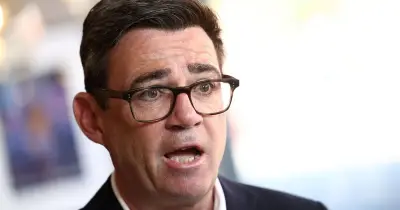
The human cost among the less well off will be more people regularly choosing whether to skip meals, ignore other bills or stay cold this winter. This is the sharp end of the cost of living crisis, which Andy Burnham has made his priority to address since arriving in Downing Street.
The day after becoming prime minister, Mr Burnham announced that VAT would be removed from electricity bills from the beginning of October. However, the Middle East-related rise in the price cap, announced on Wednesday, more than wipes out the effect of his cut. In an era of geopolitical volatility, high energy costs have become the new normal.

Transition to clean energy
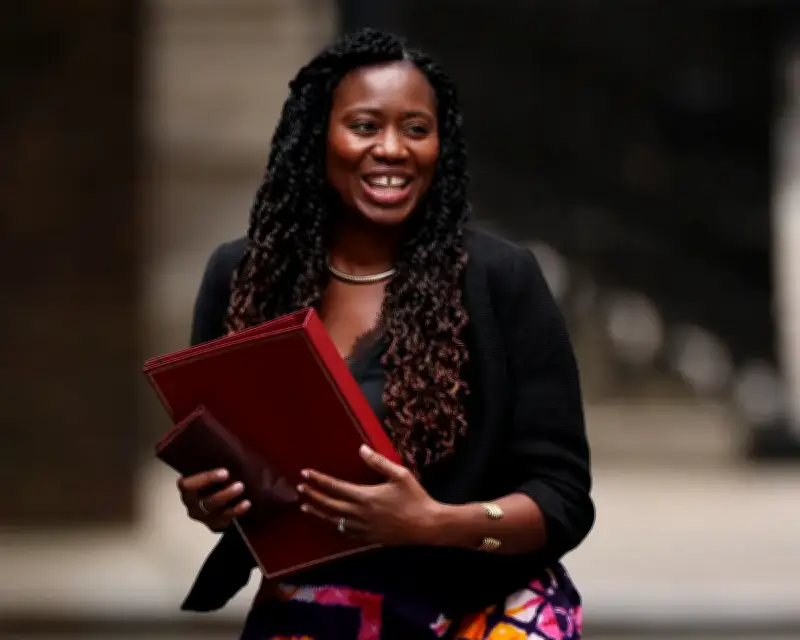
The government is right to stress, as the energy secretary, Miatta Fahnbulleh, did again this week, that completing the transition away from fossil fuels holds the key to bringing future costs down. Clean renewable energy will eventually deliver cheaper bills and end Britain’s exposure to fluctuations on international gas markets.
But as families’ finances are tipped over the edge by fuel prices they simply cannot afford, short-term solutions are needed if Mr Burnham is to deliver on his pledge to give them “breathing space”. The warm-homes discount for vulnerable households was set at £140 in 2011; it has gone up by just £10 since then. A new social discount scheme is desperately required to properly insulate the less well off from financial pressures that neither they nor the government can control. Emergency crisis and resilience funds run by local councils need to be boosted.
Funding proposals and green investment
Gordon Brown has suggested that the latter could be done through the introduction of a new betting and gaming tax. The Trades Union Congress has lobbied for the financing of a new social tariff through a windfall tax on banks. Flexibility, as Mr Brown has also observed, can be sought within the fiscal rules Mr Burnham has inherited. With the requisite political will, the money can be found.
At the same time, the government needs to drive the necessary investment in the green transition and find a way to shift more of its financing on to the broadest shoulders. In part, that should mean switching more environmental costs away from household bills and into general taxation. Research indicates that some low-income households spend three times more of their net income on levies than wealthier ones. Britain’s climate goals make moral and economic sense, and are supported by the public. But an overly bill-focused approach to green investment helps those seeking to present net zero as the problem rather than the solution.
Future price cap rise
Following Ofgem’s announcement of the price cap rise, Mr Burnham acknowledged the impact it would have. A further, bigger spike in January is predicted if market volatility continues. The prime minister’s VAT cut on electricity bills was welcome, but as the Conservatives and Reform UK exploit high energy costs to create dividing lines over the green transition, the government’s approach needs to become bigger and bolder.