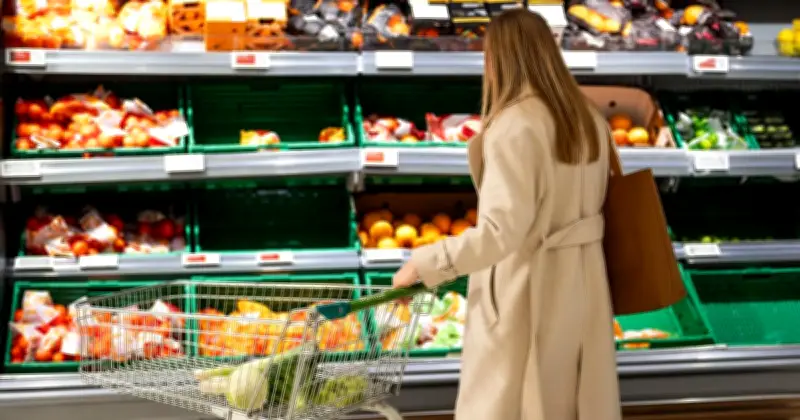
More than half of British shoppers are confused by 'Made in Britain' labels on food packaging, according to new research. A poll of 2,000 adults found 53% of UK adults were unable to correctly guess the meaning of the term, which only indicates that a product has been manufactured or processed in the UK.
Widespread confusion over food labels
The uncertainty extends beyond the 'Made in Britain' label, with 95% admitting they do not understand all the terminology they come across during their weekly shop. For example, 34% believe a Union Jack flag displayed on food packaging means the product contains only British ingredients. However, the flag can indicate the food is British but does not necessarily mean all its ingredients were sourced in the UK.
The research commissioned by Red Tractor also found 66% believe that a '100% British' label means every ingredient has been sourced in Britain. That is despite there being no set definition of the term covering all food products, meaning food with this label could contain ingredients from overseas.
Shoppers want to support British farmers
As a result, 69% agreed food packaging labels are often confusing, with 75% believing the number of variations makes it hard to know which ones to trust. The confusion over food provenance labels comes despite a strong desire to support homegrown food and farming, with 91% saying this is important to them.
Over half (57%) would be more likely to purchase food if they knew doing so would help to support British farmers. Meanwhile, the same number (57%) associate British food and ingredients with higher food safety standards. For a further 61%, labels clearly referencing British origin made farmed produce more appealing, according to the OnePoll data.
Red Tractor responds to findings
The UK's largest food and farm assurance scheme, Red Tractor, took to the streets to find out how well shoppers understand the different food labels they see on pack. What they heard supported the survey findings, highlighting widespread confusion around food labels and what they mean.
Richard Cattell from the assurance scheme, which is giving people the chance to put their own knowledge to the test and win a supermarket voucher with this quiz, said: “The overwhelming majority of consumers want to support British farmers, and confusing food labels shouldn’t get in the way of that.
“Our logo helps cut through the confusion, giving shoppers the confidence that the food they’re choosing is British throughout the supply chain, from farms to pack.
“While also reassuring shoppers that what they’re buying has been produced to high standards of food safety, traceability and responsible production.”