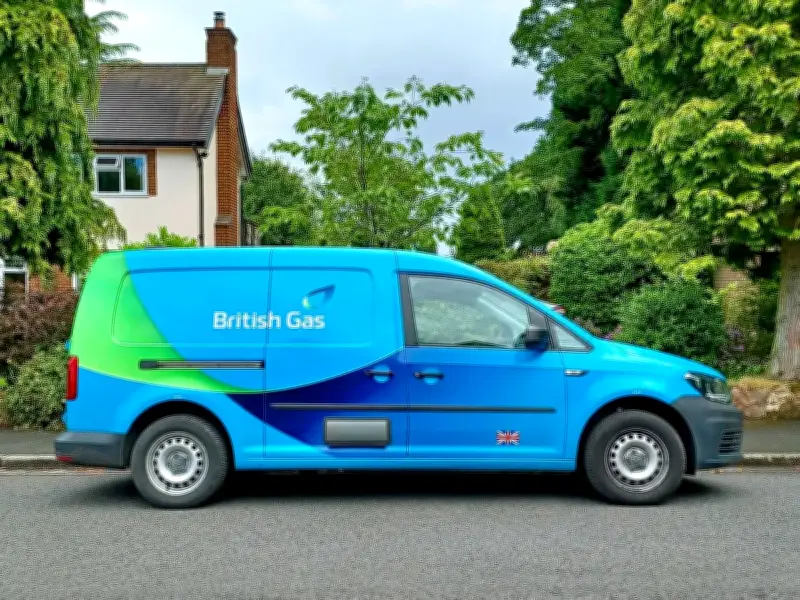
British Gas has published a winter checklist titled "How to get ready for heavy snowfall" to help households prepare for snow and sub-zero nights as December, January and February approach. The guide includes a critical warning at the top of the list: protect your pipes, as freezing conditions can quickly result in a burst and considerable water damage.
Protecting pipes from freezing
A straightforward step is to insulate any exposed pipework by using foam pipe lagging and insulating tubing, both readily available from DIY retailers and typically easy to install. To minimise the risk of frozen pipes, experts recommend setting your thermostat to at least 7°C, even when you're not at home.
Many modern heating systems feature frost-protection settings that automatically activate the heating should temperatures fall too low. Another simple yet often neglected task is fixing leaky taps, as even the tiniest drip can lead to far greater issues in freezing temperatures, as ice can build up and place extra strain on pipework.
Insulation and heating efficiency
Beyond protecting pipes, British Gas advises that insulation is vital for retaining warm air and keeping energy bills in check. Loft insulation can have a significant impact, while sealing gaps around windows and doors with weather-stripping tape can prevent bitter cold air from creeping inside. Some households also opt for plastic window insulation film as an added layer of protection against the chill.
Cold snaps can also lead to greater dependence on wood burners and electric heaters, which in turn raises safety concerns. British Gas strongly encourages households to regularly test their smoke alarms and carbon monoxide detectors. If snow builds up outside, it's important to keep ventilation outlets clear so they can function correctly.
Preparing for emergencies
Householders are also urged to locate their stopcock now, rather than scrambling to find it in a crisis. If a pipe bursts, turning off the mains water as soon as possible can significantly reduce the damage caused. Stopcocks are typically situated beneath the kitchen sink or inside a cupboard on an exterior wall.
Finally, it pays to prepare for disruption well in advance. Keep blankets and warm clothing within easy reach, store torches and chargers in an accessible place, and consider assembling an emergency kit containing three days' worth of essentials.