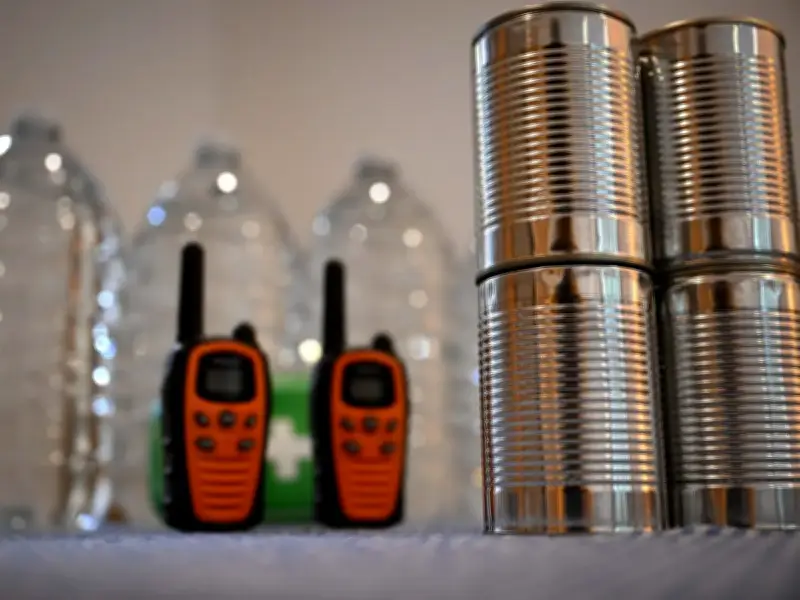
UK households can prepare for winter power cuts with a basic emergency kit costing £19.23, according to Marcus Clarke, founder of The Prepared Household. The budget-friendly shopping list features seven everyday items designed to provide light, warmth, food and a way to keep phones charged when the electricity goes off.
Seven Essentials for Less Than £20
Clarke's suggested kit includes a torch and spare batteries costing £4.75, a foil emergency blanket for £1.10 and a budget power bank priced at £5. Households are also advised to keep three tins of ready-to-eat food and a manual tin opener, which come to £3.23, alongside a two-litre bottle of water costing around 80p. The remaining essentials are a pack of candles for £1 and basic first aid supplies costing £3.35, bringing the total to £19.23.
"People hear 'emergency kit' and picture a £200 survival rucksack," Marcus explains. "But I'm talking about getting through a power cut on a cold January evening. You need light, warmth, food and a way to keep your phone charged. Most of that costs very little."
The Importance of a Manual Tin Opener
One item Clarke urges households to remember is a manual tin opener. While it might seem obvious, people can easily overlook its importance until they are left without electricity and unable to use their usual kitchen appliances. "You might have plenty of food stored away, but if your only tin opener is electric, you're going to have a problem during a power cut," Marcus explains. "A manual opener costs next to nothing. Keep one with your emergency food so you're not hunting around for it when you need it."
Keeping a mobile phone charged is another important consideration, particularly if households need to contact relatives, check local updates or report an electricity outage. A power bank can provide a useful backup when plug sockets are no longer working, but Clarke warns that people need to remember to keep theirs charged. "A cheap power bank can make a big difference, but only if you've remembered to charge it. My advice is to recharge it on the first of every month. Make it a habit, just like paying a bill," he says.
Staying Warm and Safe During a Power Cut
A foil emergency blanket can help retain body heat and takes up very little storage space. "It doesn't look like much, but it takes up almost no space and can be useful when the heating has been off for several hours," Marcus says. "Use it alongside warm clothing, blankets and extra layers rather than relying on it alone."
For lighting, he recommends choosing a battery-powered lantern where possible, as this is generally safer than relying on candles. "Candles might be cheaper, but they bring a fire risk. Never leave one burning unattended, and always keep it away from anything flammable."
Building a Water Supply Gradually
Water is another essential that households should think about having available in case of an emergency. The UK Government's Prepare guidance recommends storing around 2.5 to three litres of drinking water per person per day for three days. This means the single two-litre bottle included in Clarke's budget shopping list is only a starting point, rather than enough to see a household through an extended emergency.
"Don't think you need to buy everything at once," he advises. "Pick up an extra pack of bottled water during your next few supermarket trips and gradually build up your supply. Rotate it into normal use so you're always replacing the oldest bottles. It's a simple way to build a useful reserve without a big upfront cost."
For those who have a little extra money to spend, Clarke recommends adding a battery-powered or wind-up radio to their emergency supplies. This could be particularly useful if a power cut affects mobile coverage or makes it difficult to access online updates. "If the power goes down and mobile coverage becomes unreliable, local radio can still help you find out what's happening," he explains. "But don't let the perfect emergency kit stop you from putting together a basic one."