With temperatures plummeting across the UK and widespread frost forecast for the weekend, millions of households are facing the prospect of higher energy bills. Ofgem's price cap could surge around 25% to almost £2,100 a year on average in January. Help is on the way, with £100 for 20 million households announced by Chancellor John Healey in the Budget.
Switch Energy Deal and Save
Making sure you're on the cheapest energy deal is the number one way to save the most. Ofgem's price cap applies to 34 million energy accounts on standard variable tariffs. However, around 11 million others are on fixed rate tariffs, so weren't impacted by the last increase in the cap at the start of October.
The top 10 cheapest fixed deals are an average £106 more than Ofgem's current £1,723 a year cap - but a hefty £363 less than the threatened level from January. At the time of writing, Outfox Energy has a fixed deal at an average £1,799 a year available direct that's £383 below January's forecast cap, while Fuse Energy has 16 month fix via Uswitch and elsewhere at an average £1,831 a year.
Look out for exit fees you'd pay for switching before the fix term ends. They're typically £50 per fuel - gas and electricity - but can be £100 or more each. Consumer champion Martin Lewis told viewers of his ITV show: "The risk averse thing to do right now is absolutely to fix."
Simple Home Savings
Avoid using a tumble dryer if possible as they're power-hungry machines that typically cost around £1.30 per cycle. Winter's hardly ideal for hanging clothes outside but try doing so if there's a breeze. A heated indoor clothes airer typically costs just 5p to 10p an hour to run, while dehumidifiers that suck moisture out of the air to speed up the drying process are even less to operate.
Keeping your shower time to just four minutes could save you £45 a year, according to the Energy Saving Trust. Water-saving showerheads use less water and ultimately less energy. They cost from about £20 but some water suppliers offer them free. Check the Consumer Council for Water's website for more details.
The World Health Organisation recommends a minimum indoor temperature of 18°C (64.4°F) for healthy adults. Turning the thermostat down from 21C to 20C could save 7% on your heating bill. But experiment to see what's comfortable for you.
Boilers, Radiators and Draughts
If you've got a modern combi boiler (that provides both central heating and instant hot water on demand) try setting the flow temperature at 60C, or 50C to 55C in spring and autumn. Turning it down can save 7% and 9% on your heating. An annual service can help identify potential issues early.
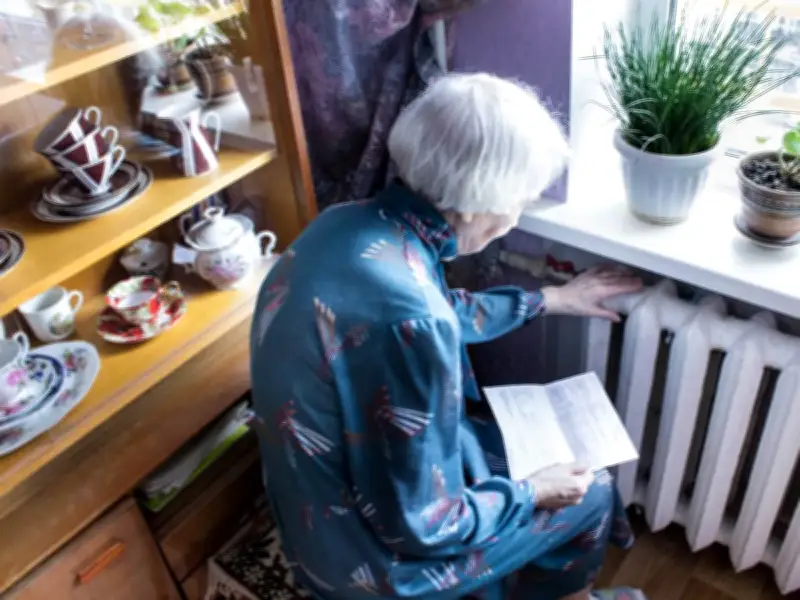
Bleed radiators at the start of winter (make sure they're turned off first) and only turn them on in rooms being used. Move furniture away from radiators - there's no point heating the back of a sofa. And fitting reflective foil behind radiators on exterior walls saves wasted heat.
You can save around £45 a year by turning TVs and the like off at the plug without upsetting their programming. Fitting a cylinder with a British Standard Jacket (80mm thick) can save £45 a year, says the Energy Saving Trust.
If you have a dishwasher, only run it when it's full so you don't have to use it as often. Reducing your dishwasher use by one run per week for a year could save you £10 a year.
Block unwanted gaps such as around windows and doors. You can even use a rolled-up towel for gaps at the base of doors. And fit window film over single glazed windows. Loft hatches, floorboards, pipework and letterboxes can all be sources of unwanted heat loss, so check for areas where draughts may be getting through.
Lights, Heat and Insulation
Turning off lights when you're not using them or when you leave a room can save around £7 a year, according to the Energy Saving Trust. Thermal cameras are gadgets that help identify where heat may be escaping from your home. They can be expensive but some councils allow residents to borrow them for nothing, often via a library.
Putting on a jumper or extra layers are obvious ways to keep yourself warm at home instead of turning the heating up. But what about if you simply can't afford to put the heating on? It's an agonising choice far too many people make every day. Martin Lewis had this advice to viewers: "If you have to, heat the human, not the home".
Hot water bottles, used safely, are an option at night as well as in the day. You can also get heated gloves for around £12 that cost about 1p an hour to use, heated electric blankets cost about 2.6p an hour, and heated insoles less than 1p an hour.
A poorly insulated loft can be responsible for significant heat loss during winter, so check that your insulation is in good condition before temperatures fall further.