The UK Government has unveiled a significant £50 million investment package aimed at bolstering Scotland's defence sector, with a specific focus on creating two specialised technical colleges. Defence readiness minister Luke Pollard and Scottish Secretary Douglas Alexander jointly announced the initiative in Paisley on Thursday, emphasising that the funding is conditional on matching contributions from the Scottish Government.
Funding Breakdown and Strategic Objectives
Within the broader £50 million growth deal, £10 million has been earmarked for the establishment of two "defence technical excellence colleges" (DTEC). One college is planned for eastern Scotland, while the other will be located in the west. These institutions are designed to provide clear pathways to highly-skilled careers in the defence industry, addressing both national security needs and economic development.
Conditional Commitment and Intergovernmental Dynamics
The UK ministers stated explicitly that their £10 million pledge for the DTEC colleges will only be activated if the Scottish Government provides equivalent matching funds. This arrangement highlights the complex interplay between reserved and devolved powers, as defence policy falls under Westminster's jurisdiction, while education and skills training are managed by Holyrood.

Luke Pollard articulated the strategic importance of Scotland in the UK's defence framework, saying: "Scotland is not just part of the UK's defence story—it is vital to it. This £50 million deal will ensure Scotland leads in the technologies that will define the next generation of defence—maritime, space, quantum and advanced engineering."
Scottish Government's Response and Collaboration
Deputy First Minister Kate Forbes welcomed the investment, acknowledging the defence sector's dual role in national security and economic growth. She stressed the necessity of collaboration, noting: "The Scottish Government has been clear that engagement and collaboration on the UK Government's defence growth deal is essential to deliver maximum economic opportunities for Scotland."
Forbes also pointed out overlaps with existing Scottish initiatives, such as the Clyde Engineering and Innovation Centre, and requested a formal role on the committee overseeing the deal's implementation.
Broader Economic Impact and Existing Investments
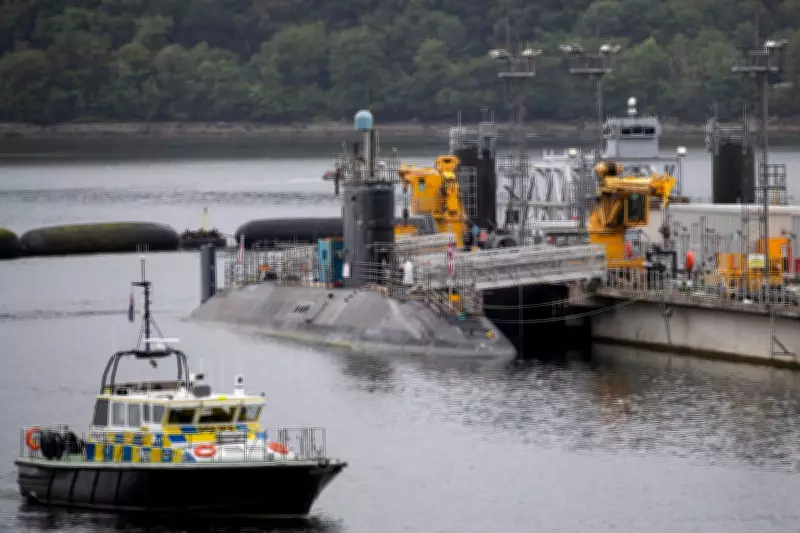
The growth deal extends beyond the colleges, including funding for innovation centres near the Faslane naval base in Argyll and Bute and at Rosyth in Fife. According to the Ministry of Defence, annual spending in Scotland's defence sector totals approximately £2 billion, supporting nearly 12,000 jobs.
Douglas Alexander urged swift action from the Scottish Government, stating: "I urge the Scottish Government to now work with us and match-fund these colleges to give our young people the skills they need to secure high-skilled, well-paid careers in the defence industries in Scotland in the years to come."
The announcement underscores a concerted effort to align defence readiness with educational advancement, positioning Scotland as a hub for cutting-edge defence technologies while fostering local employment and industrial growth.