

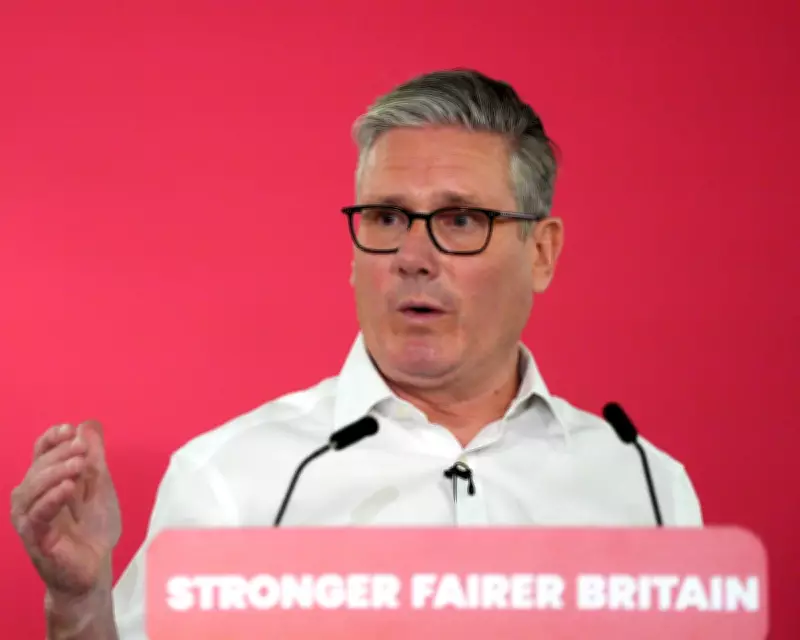
Keir Starmer delivered a major leadership speech today, outlining his vision for the Labour Party and the United Kingdom. Addressing party members and the public, Starmer emphasized the need for unity within the party and a clear policy direction to regain trust ahead of the next general election.
Key Themes of the Speech
Starmer focused on several key areas, including economic reform, public services, and national security. He called for a 'new settlement' for working people, promising to tackle inequality and invest in infrastructure. The Labour leader also stressed the importance of standing up to authoritarian regimes abroad while protecting British interests.
Unity and Discipline
A significant portion of the speech was dedicated to internal party cohesion. Starmer urged Labour members to put aside internal divisions and present a united front. 'We cannot afford to be distracted by internal battles when the country needs a credible opposition and a government-in-waiting,' he said.

He also addressed recent tensions within the party, acknowledging differences but insisting that the focus must remain on serving the British people. Starmer's call for discipline was met with applause from the audience, though some critics noted that similar appeals have been made before without lasting effect.
Policy Proposals
Starmer outlined several policy proposals, including a pledge to increase funding for the National Health Service (NHS) and education. He also promised a green industrial revolution, aiming to create thousands of jobs in renewable energy sectors. On Brexit, he reiterated Labour's commitment to making the deal work but did not rule out closer alignment with the European Union in the future.
The speech also touched on crime and justice, with Starmer vowing to be tough on crime while addressing its root causes. He announced plans for a new youth justice program aimed at reducing reoffending rates.
Reactions
Reactions to the speech were mixed. Senior Labour figures, including Angela Rayner and Wes Streeting, praised Starmer's leadership and vision. Shadow Chancellor Rachel Reeves said the economic proposals would 'reset the terms of debate' in the country.
However, some left-wing members expressed disappointment, arguing that the speech lacked boldness on issues like nationalization and wealth taxes. The Conservative Party dismissed the speech as 'more of the same' and accused Starmer of lacking a clear plan.
Political analysts noted that while the speech was well-crafted, its impact will depend on whether Starmer can maintain party unity and convince the electorate of his vision. With local elections looming, the Labour leader faces a critical test in turning words into votes.






