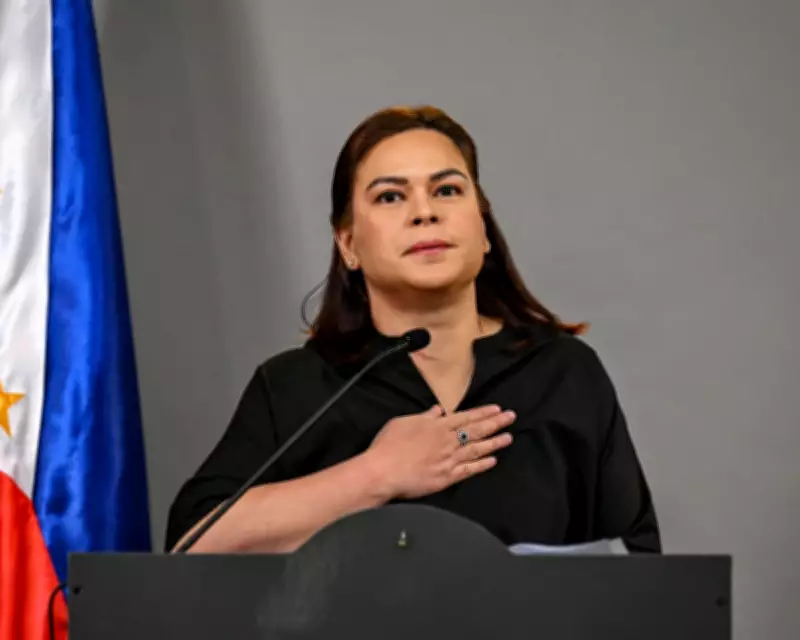
The Philippine House of Representatives has voted to impeach Vice President Sara Duterte, intensifying the already fraught political conflict between her and President Ferdinand Marcos Jr. The impeachment, passed on Monday, accuses Duterte of corruption, betrayal of public trust, and other high crimes. This marks a dramatic escalation in the ongoing rift between the two most powerful political families in the Philippines.
Allegations and Proceedings
The impeachment complaint, supported by over 200 lawmakers, alleges that Duterte misused public funds, engaged in unexplained wealth, and committed acts that undermined the government. Specifically, she is accused of funneling millions of pesos from the Office of the Vice President into personal accounts and using her position to shield allies from investigation. The House vote, which required a one-third majority, saw 215 members in favor, well above the threshold.
Political Fallout
The impeachment is the latest chapter in the bitter power struggle between the Duterte and Marcos clans. Sara Duterte, daughter of former President Rodrigo Duterte, was once an ally of Marcos Jr., but their alliance fractured over policy differences and personal ambitions. Political analysts suggest that Marcos Jr. may have backed the impeachment to consolidate his own power ahead of the 2028 presidential election. Meanwhile, Duterte has dismissed the charges as politically motivated, vowing to fight them in the Senate trial.

Next Steps
The case now moves to the Senate, which will conduct a trial to determine Duterte's guilt. A two-thirds majority in the Senate is required for conviction and removal from office. The trial is expected to dominate Philippine politics for months, further polarizing an already divided nation. Supporters of Duterte have staged protests outside Congress, while Marcos loyalists have called for accountability.
International Reaction
The impeachment has drawn attention from foreign governments and human rights groups. The United States and the European Union have expressed concern over the stability of Philippine democracy, urging a fair and transparent process. China, a key ally of the Marcos administration, has refrained from comment. The outcome of the trial could have significant implications for the Philippines' foreign policy and domestic governance.