Federal authorities in the United States have charged former Cuban President Raúl Castro and five fighter pilots in connection with the 1996 downing of small civilian planes operated by Miami-based exiles. The indictment, announced on Wednesday, is part of the Trump administration's ongoing pressure campaign against the island's socialist government.
Charges and Allegations
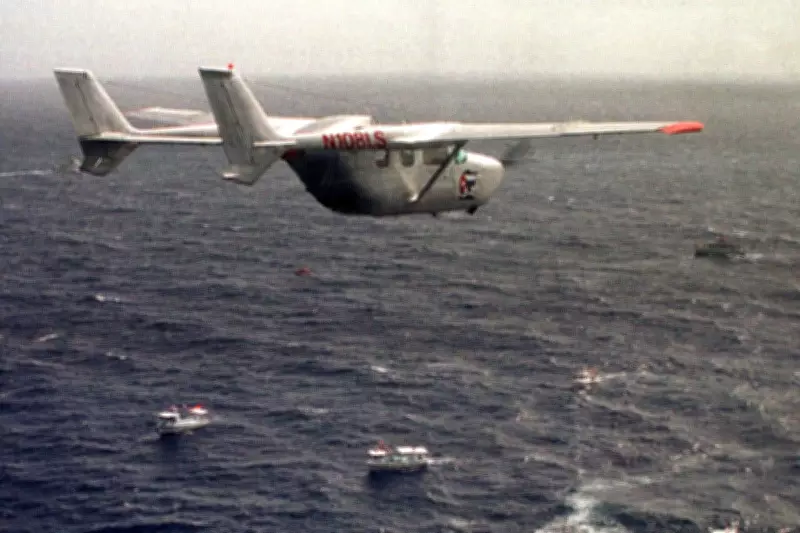
The charges accuse Castro and the military pilots of conspiring to terrorize, intimidate, and retaliate against Cubans and the country's exile community by shooting down aircraft flown by the Brothers to the Rescue group. Castro, now 94, served as defense minister when MiG fighters targeted the group's planes. Prosecutors allege that Castro authorized the use of deadly force after Brothers to the Rescue flew planes dropping pro-democracy leaflets over Cuba in January 1996. U.S. prosecutors stated that Castro and his older brother, Fidel Castro, who was president at the time, were the final decision-makers on orders to kill.
The Five Pilots
The indictment identifies the five co-conspirators as members of the Cuban Revolutionary Air and Air Defense Force: Lt. Col. Lorenzo Alberto Pérez-Pérez, José Fidel Gual Barzaga, Lt. Col. Luis Raúl González-Pardo Rodríguez, Emilio José Palacio Blanco, and Raúl Simanca Cárdenas. Authorities allege that they engaged in training missions around February 1996 to find, track, pursue, and intercept aircraft off the Cuban coast in anticipation of flights by Brothers to the Rescue.

Lt. Col. Lorenzo Alberto Pérez-Pérez: The indictment alleges that Pérez-Pérez and an uncharged pilot shot down two planes on February 24, 1996, in international airspace, killing four Americans. Days after the shooting, Pérez-Pérez told Cuban state television that he intercepted the first aircraft and warned it based on orders from controllers, but the plane ignored his warnings. He stated, 'We tried to dissuade their crew members, but they continued to dangerously approach the Cuban coast, and then we received the order to interrupt the flight of the first aircraft.' Pérez-Pérez was previously indicted in the U.S. in August 2003 on charges of murder, aircraft destruction, and conspiracy.
Lt. Col. Luis Raúl González-Pardo Rodríguez: The indictment alleges that on the same day, Gual Barzaga, Simanca Cárdenas, and González-Pardo Rodríguez followed but did not destroy a third plane. González-Pardo Rodríguez, 65, is the only defendant in U.S. custody. He was indicted in November for allegedly making false statements in an immigration document, falsely claiming he never received weapons or military training. He pleaded guilty in February and is scheduled to be sentenced later this month.
Other Pilots: Little is known about Gual Barzaga, Palacio Blanco, and Simanca Cárdenas. The indictment alleges that Pérez-Pérez and Palacio Blanco took off from the San Antonio de los Baños airfield near Havana in separate jets. Pérez-Pérez requested authorization to shoot down the civilian aircraft about 20 minutes later. While Pérez-Pérez attacked the two planes, Gual Barzaga and Simanca Cárdenas sat together in a third fighter jet, and González-Pardo Rodríguez was in a fourth, ready to deploy. The waiting pilots listened to Pérez-Pérez's radio requests for authorization and eventually joined him in pursuing the third civilian aircraft.
Legal Proceedings
The five pilots and Castro face one count of conspiracy to kill U.S. nationals. Castro and Pérez-Pérez were also indicted on counts of murder and destruction of aircraft. The indictment includes an undated photo of González-Pardo Rodríguez and Pérez-Pérez looking at a document next to a fighter jet.