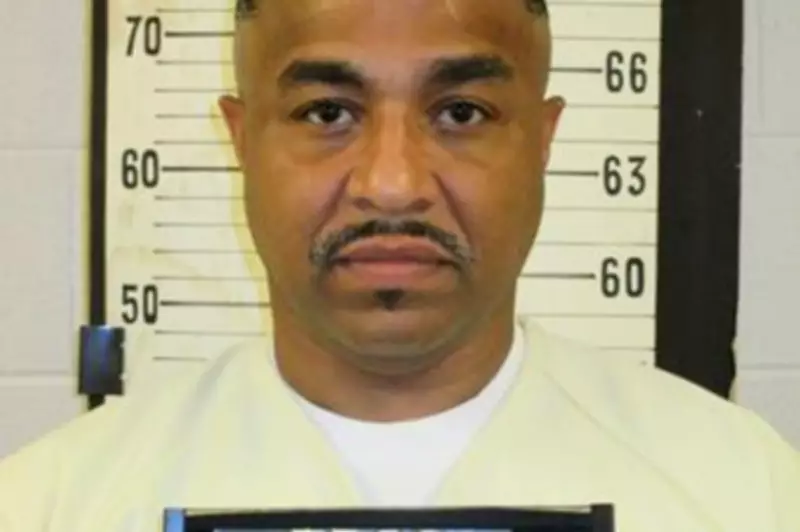
Tennessee death row inmate Tony Carruthers was granted a one-year stay of execution on Thursday after officials failed to locate a suitable vein for lethal injection. Governor Bill Lee issued the stay following the botched procedure, which has reignited debates over the state's execution protocols.
Background of the Case
Carruthers, 57, was convicted for the 1994 kidnappings and murders of Marcellos Anderson, Delois Anderson, and Frederick Tucker. However, his case has long been plagued by questions regarding the evidence and his mental competency. A significant concern is that Carruthers was compelled to represent himself during his trial. His conviction relied heavily on witness testimony, including that of a paid informant, with no physical evidence linking him to the killings.
Mental Health Concerns
Carruthers' legal team contends that he suffers from 'paranoia and delusions,' believing that the government is bluffing about his execution and that his own attorneys are part of a conspiracy against him. These mental health issues have raised further doubts about the fairness of his trial and sentencing.

Execution Protocol Issues
The incident also highlighted ongoing problems with Tennessee's lethal injection procedures. The state had resumed executions after a hiatus due to issues with drug testing and after officials admitted to providing incorrect testimony about drug purity. The failed attempt to administer the lethal injection underscores the challenges and controversies surrounding capital punishment in the state.
Governor Lee's one-year stay provides temporary relief for Carruthers while his legal team continues to pursue appeals. The case remains a focal point for advocates questioning the reliability of evidence and the humane application of the death penalty.