

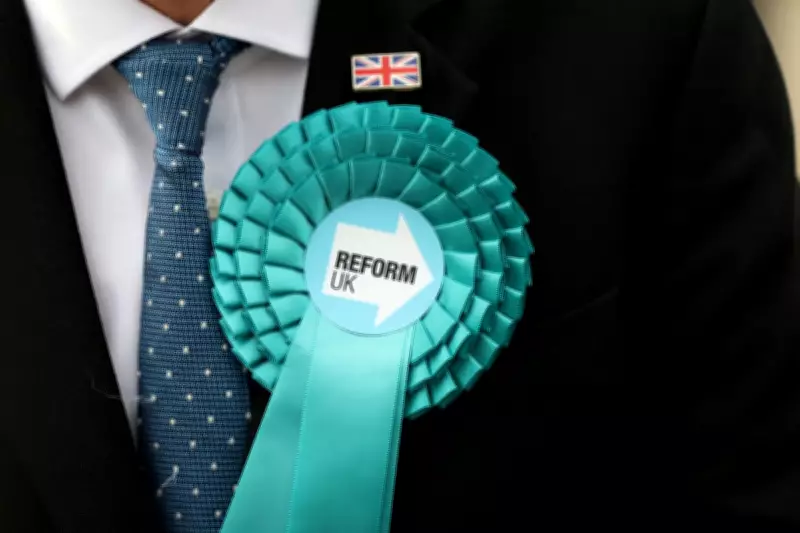
A Protestant church magazine has changed its name from Reform to Reformed after readers grew tired of the title being mistaken for the political party Reform UK. The United Reformed Church (URC) announced the rebranding of its national publication following a poll in which 86 percent of readers supported the new name.
Editor Explains Decision
Stephen Tomkins, the magazine's editor, said: "We had discussed changing the name for a few years as Reform UK became more prominent. But initially, we thought: 'It was our name first!'" He added that "readers started telling us the name was causing confusion and consternation in local churches." The URC "is not attached to any political party and does not want the name of its magazine to suggest that it is," Mr Tomkins explained.
He noted that "the URC's General Assembly has taken positions on public issues that are at odds with Reform UK policy, for example on migration and asylum, but Reform UK is not the only UK party for whom this is true."

Church Membership and Political Tensions
The URC has approximately 44,000 members across about 1,250 congregations in the UK. The name change comes amid ongoing tensions between Reform UK and church leaders. Reform UK leader Nigel Farage has previously clashed with Archbishop of York Stephen Cottrell, who accused him of an "isolationist, short-term kneejerk" response to the small boats crisis. The senior Church of England bishop argued that Farage's proposals to "send them all back" go against "the British way" and that the UK "cannot simply close the door" to those in need.
Mr Farage has set out plans to remove up to 600,000 people from the country if he forms the next government. In March, he called for an end to all mass religious observances while saying he would "stand firm for the Judeo Christian principles upon which our nation was built."
Growing Support Among Christians
Polling from mid-2025 indicated growing support for Reform among UK Christians. Only 15 percent of Anglicans voted Reform in 2024, but by mid-2025, 38 percent rated their likelihood of voting for the party as high.






