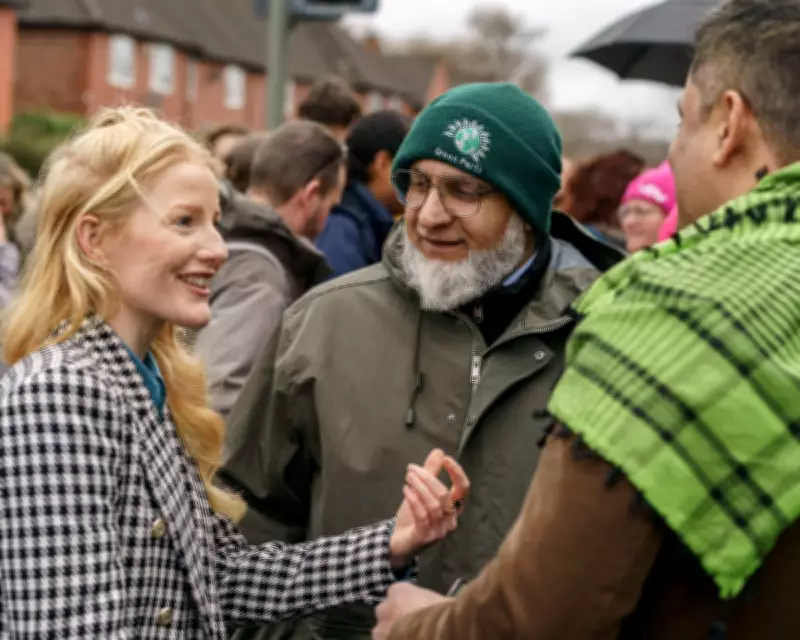
Imran Sanaullah, CEO of the Adam Foundation, has challenged the misconception that British Muslims are disengaged from democracy or vote as a single bloc. Writing in response to a recent article by Taj Ali, Sanaullah asserts that Muslims in Britain are politically active and make independent choices at the ballot box.
Political Engagement Comparable to Wider Population
According to polling conducted for the Community Exchange Hub, British Muslims show levels of political engagement similar to the general population. They follow campaigns closely and are more likely to have direct contact with canvassers during elections. Sanaullah emphasises that tens of thousands of Muslims vote regularly, debunking the myth of apathy.
Priorities Beyond Identity
Contrary to assumptions of bloc voting, research indicates that British Muslims prioritise the NHS, the economy, and housing above other issues. These concerns reflect everyday material needs, not narrow identity-based motivations. Sanaullah argues that framing Muslim voters as a monolithic group misunderstands their diverse priorities, which align with traditional working-class concerns.

Increasing Participation Within Political Parties
Through the Adam Foundation and the Community Exchange Hub, Sanaullah reports a rise in British Muslims joining political parties across the spectrum. Before the last general election, the foundation convened six nationwide hustings in Muslim-majority communities, bringing together MPs and candidates from various parties. These events demonstrated a strong demand for engagement and constructive cross-party dialogue.
Building Trust Through Deeper Participation
Sanaullah suggests that addressing trust issues requires deeper participation. Initiatives that connect communities with policymakers, build leadership confidence, and create civic pathways—such as structured leadership programmes for future public servants—are already converting political interest into meaningful influence. However, he warns that engagement alone is insufficient; translating it into turnout is crucial, as influence in a democracy belongs to those who vote.