
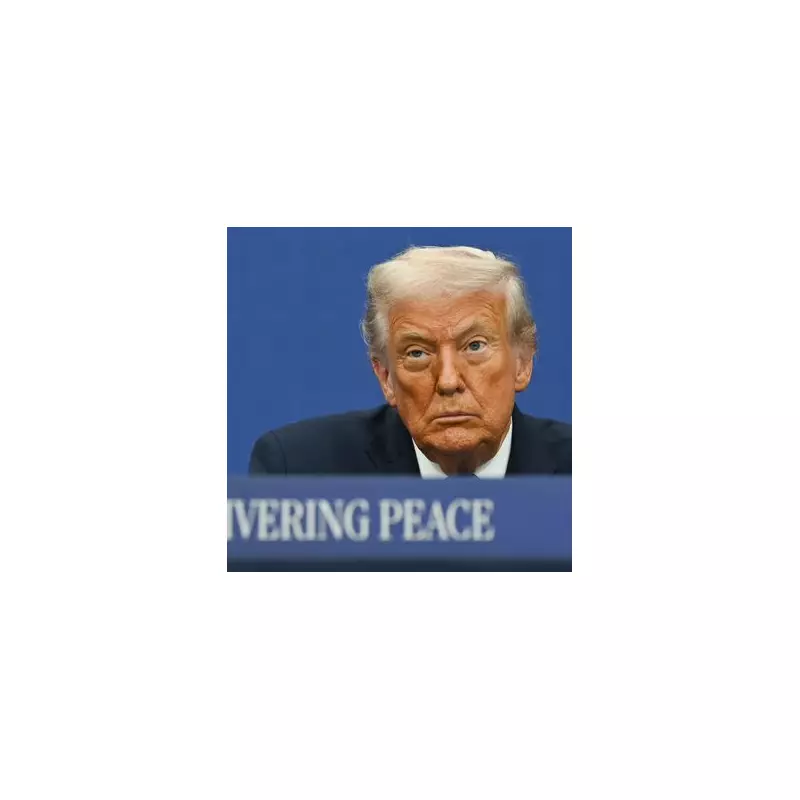
Former President Donald Trump and his administration have issued a dire warning, claiming that Europe faces a profound existential threat that could lead to its complete cultural unravelling within two decades.
A Stark Warning in US Security Doctrine
The alarming assessment forms a central part of the newly published US National Security Strategy, released on 5 December 2025. The document, which outlines America's strategic priorities, places significant blame on the European Union and what it terms "other transnational bodies" for actively undermining the continent's political liberty and national sovereignty.
It presents a bleak forecast, suggesting that without a dramatic change in course, Europe could witness the erasure of its foundational civilisational character. The strategy points to a confluence of specific policies and trends it believes are driving this potential collapse.
The Cited Drivers of 'Cultural Unravelling'
The Trump administration's strategy identifies several interconnected factors it claims are transforming Europe. A primary focus is on migration policies, which the document states are "creating strife" across the continent. It argues these policies are a direct catalyst for the dilution of national identities and a loss of cultural self-confidence.
Beyond migration, the strategy levies serious accusations against European institutions. It claims there is widespread censorship of free speech and a suppression of political opposition, painting a picture of declining political freedoms. Furthermore, it highlights cratering birth rates as a demographic crisis compounding the other challenges.
The combined effect, according to the document, is a continent on a path toward losing its distinct national characters and the political liberties that have defined it.
Implications for Transatlantic Relations
This formal inclusion in a cornerstone US policy document marks a significant and provocative moment in transatlantic diplomacy. By framing the European Union's very existence and its core policies as a national security concern, the Trump administration has taken a firm ideological stance.
The strategy's language suggests a fundamental divergence in worldview, where supranational governance and liberal immigration frameworks are seen not as pillars of modern European society, but as existential threats. This analysis will likely fuel further debate on both sides of the Atlantic regarding the future of Western unity, sovereignty, and shared values.
The release sets the stage for a potentially fractious period in US-Europe relations, centred on deep philosophical disagreements over governance, identity, and societal resilience.